

Your dog is draining bowl after bowl of water, or your cat is eating constantly but still losing weight. Should you worry? These may seem like minor changes, but they can signal something serious: diabetes.
At Arcata Animal Hospital, we help families recognize the early signs of diabetes and provide customized treatment through monitoring, nutrition, and medical care. Understanding what to watch for is the first step toward protecting your pet’s long-term health.
Understanding Diabetes in Pets
What Is Diabetes?
Diabetes mellitus is a disorder that affects how your pet’s body regulates glucose- the main fuel source for cells. When the pancreas fails to produce enough insulin, or when the body no longer responds properly to insulin, glucose builds up in the bloodstream instead of fueling the body’s tissues. Over time, this imbalance can cause dehydration, organ stress, and dangerous metabolic shifts.
Obesity is a leading risk factor for diabetes in pets. Most dogs develop Type 1 diabetes, caused by damage to the insulin-producing cells in the pancreas. Cats more often develop Type 2 diabetes, which combines insulin resistance with decreased insulin production. Identifying the correct type helps guide treatment and management.
While diabetes requires lifelong care, early detection dramatically improves quality of life and longevity. Pets diagnosed early often live full, active lives with the right care and consistency.
Recognizing Early Signs and Symptoms
The earliest warning signs can appear subtle, but recognizing them quickly makes a difference.
Changes in Thirst, Appetite, and Weight
Increased thirst and urination are classic early indicators as the kidneys work to eliminate excess glucose, pulling water from the body and triggering constant drinking.
At the same time, many pets lose weight despite eating more than usual. Because their cells can’t absorb glucose for energy, the body begins to break down fat and muscle. Lethargy, weakness, and dull coats often follow as energy stores decline.
Behavioral Clues to Watch For
Small daily changes can reveal big health shifts. If you’re refilling the water bowl more often or noticing more frequent bathroom trips, it’s time to take note. Cats may urinate outside the litter box simply because their usual box can’t keep up with the volume.
Eating habits also fluctuate. Some pets act constantly hungry, while others lose interest in food altogether. Dogs may lag on walks, while cats may avoid climbing or jumping.
Routine DIY checkups help you spot early changes before they escalate into medical emergencies.
Diagnosis and Testing
How Diabetes Is Confirmed
Because stress and recent meals can temporarily elevate glucose levels, a single test isn’t enough to confirm diabetes. Your veterinarian uses a combination of results to make an accurate diagnosis.
Blood glucose readings and can urinalysis reveal persistently high sugar levels, while fructosamine testing measures average glucose control over the previous two to three weeks.
Blood glucose curves track fluctuations throughout the day, allowing precise insulin adjustments. Arcata Animal Hospital offers a full range of diagnostic testing in-house, so your pet’s care can begin without delay.
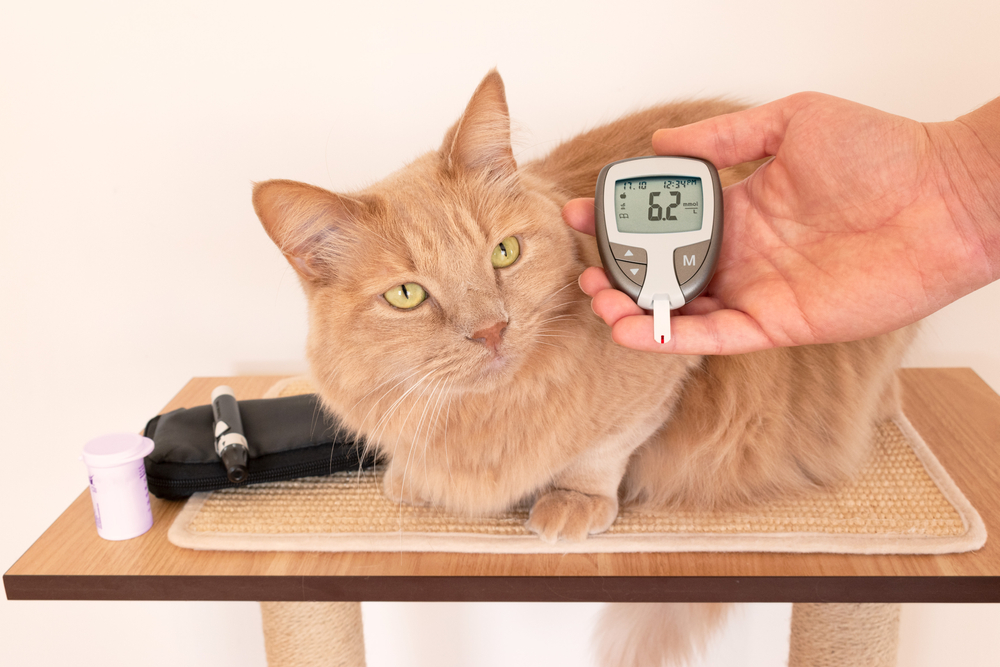
Home monitoring is another valuable tool. Modern glucose meters designed specifically for pets now make it easy to check blood sugar using a small ear prick, helping you stay on top of your pet’s daily control at home.
Treatment Options for Diabetic Pets
Medical Management
Insulin therapy remains the foundation of diabetes treatment. Your veterinarian will choose an insulin type and schedule tailored to your pet’s species, lifestyle, and glucose response. Most dogs require twice-daily injections, while some cats may need less frequent dosing depending on their insulin type and metabolism.
In early or mild cases, certain cats may respond to oral medications that improve insulin sensitivity or stimulate production, though dogs rarely benefit from oral therapy alone.
Diet and Lifestyle Adjustments
Nutrition plays a central role in controlling diabetes. High-protein, low-carbohydrate diets reduce post-meal glucose spikes and promote steady energy. Feeding schedules should align with insulin doses for predictable results.
Maintaining a healthy weight minimizes insulin resistance. Even modest weight loss can reduce the need for medication and improve glucose control. Regular, consistent exercise helps the body use glucose efficiently- but sudden changes in activity can disrupt regulation, so routines should remain steady.
Emergency Complications
Every pet owner managing diabetes should know the signs of an emergency. Hypoglycemia– low blood sugar- can cause confusion, weakness, trembling, seizures, or collapse. Keep a small amount of honey or corn syrup on hand for emergencies and contact your veterinarian right away.
Another serious condition, diabetic ketoacidosis, occurs when the body burns fat for fuel, creating toxic ketones. Symptoms include vomiting, dehydration, and labored breathing. Pets in this state often require IV fluids, insulin, and hospitalization for stabilization.
Arcata Animal Hospital offers emergency services during regular hours. For after-hours care, call 707-672-6505 to be directed to the nearest emergency facility.
Common Complications of Diabetes
Poorly managed diabetes can affect multiple organs and systems. Diabetic neuropathy may cause weakness in the back legs, particularly in cats. Prolonged high blood sugar can also damage the kidneys and increase infection risk.
Canine diabetic cataracts often form rapidly, sometimes within weeks of diagnosis. Although surgery can restore vision, strict glucose control remains the best prevention.
How Infections and Dental Disease Affect Diabetes
Pets with diabetes must maintain a delicate balance among insulin, diet, and overall health. When infections or inflammation occur, that balance becomes more difficult to control.
Urinary tract infections are common in diabetic pets because elevated blood sugar encourages bacterial growth in the urine. These infections cause discomfort and frequent urination, but they also destabilize blood glucose levels, making insulin regulation unpredictable.
Dental disease creates additional challenges. Bacteria from inflamed gums can enter the bloodstream and trigger widespread inflammation that interferes with insulin sensitivity. Pets with untreated dental problems may experience pain, appetite loss, and worsening glucose control even when their medication is carefully managed.
At Arcata Animal Hospital, our dental care services address oral health at every stage- from cleanings to advanced treatment. Managing dental and urinary health helps diabetic pets maintain steadier blood sugar and overall comfort.
Preventing and Detecting Diabetes Early Through Wellness Care
Regular preventive care is the best defense against diabetes and its complications. Arcata Animal Hospital’s pet wellness plans and preventive healthcare services make ongoing care simple and affordable with routine exams, bloodwork, and nutrition guidance.
During wellness visits, veterinarians monitor subtle shifts in weight, appetite, thirst, and energy- early clues of metabolic disease that may be easy to overlook. Regular testing allows for early detection of elevated glucose levels, enabling intervention before diabetes becomes advanced.
Preventive care also reduces risk factors like obesity, infection, and periodontal disease, protecting both diabetic and at-risk pets. Consistent monitoring and proactive health management ensure your pet stays healthy longer and enjoys a better quality of life.
Taking the Next Step in Your Pet’s Health Journey
With early recognition and consistent care, diabetes can be managed successfully for years. If your pet is showing signs such as excessive thirst, unexplained weight loss, increased urination, or sudden vision changes, don’t wait to seek help.
At Arcata Animal Hospital, our team combines diagnostic expertise, personalized treatment, and Fear-Free care to help pets live their healthiest lives under AAHA-accredited standards.
If you’ve noticed changes in your pet’s habits or health, call (707) 822-2402 or schedule an exam. Early action is the most powerful tool in protecting your pet’s wellbeing- and we’re here to help every step of the way.






Leave A Comment