

Cold mornings and chilly evenings bring new risks for pets. Dogs can suffer from cracked paw pads on icy sidewalks, while cats sometimes seek warmth under car hoods. Even thick-coated breeds can get hypothermia if left outside too long.
Owners often ask: how cold is too cold, and what about sweaters, booties, or heated beds? The truth is, each pet’s needs are different. At Arcata Animal Hospital in Arcata, CA, we combine Fear Free handling with advanced care to help your companions stay safe, comfortable, and healthy through the winter season.
Understanding Winter Risks for Pets
Winter temperatures pose genuine health threats that many pet owners underestimate.
- Hypothermia occurs when a pet’s body temperature drops below normal, leading to sluggish movements, confusion, and potentially life-threatening complications.
- Frostbite affects extremities like ears, tail tips, and paw pads, causing tissue damage that may require medical intervention.
By understanding winter illnesses in pets, owners can recognize when their animals need immediate attention.
Arcata’s Unique Winter Climate
Arcata’s coastal weather creates particular challenges for pet care during the winter months. Temperatures rarely plummet to extreme lows, but the persistent dampness and ocean winds quickly sap body heat from pets, leaving them vulnerable even when the thermometer does not read dangerously cold.
Winter Hazards Indoors and Out
Outdoor dangers multiply during winter:
- Antifreeze is highly toxic and attractive to animals.
- Ice-covered surfaces create slip hazards that can cause torn ligaments or fractures.
- Rock salt and chemical deicers burn paw pads and upset the digestive tract when pets lick their feet.
Pet owners should familiarize themselves with common winter hazards to stay vigilant throughout the season.
Indoor environments present their own concerns:
- Forced-air heating dries the air, contributing to itchy skin and respiratory irritation.
- Space heaters pose burn and fire hazards.
- Holiday decorations such as tinsel, ribbons, and toxic plants create seasonal risks.
Recognizing Signs of Cold Weather Distress
Catching warning signs early prevents minor issues from becoming emergencies.
Behavioral clues include:
- Excessive shivering
- Reluctance to go outside
- Seeking warm hiding spots
- Unusual lethargy
Physical changes include:
- Cracked, bleeding paw pads from exposure to ice or salt
- Dry, flaky skin that leads to itching and possible hot spots
Learning how to handle pets’ dry skin in the winter helps maintain comfort and prevents secondary infections.
Preventive Measures and Home Care
The question “Do dogs need coats?” depends on breed, age, health, and coat type. Short-haired breeds, seniors, and pets with chronic illness often benefit from extra insulation. Thick-coated breeds may overheat in heavy clothing. Professional winter coat advice can help you decide.
Protecting paws is also essential. Booties shield feet from salt and ice, while paw wax or balms provide protective barriers. Regular cleaning and paw care prevent cracking and irritation.
Supporting Outdoor and Indoor Pets
Outdoor cats face particular challenges during cold weather. Providing insulated shelters, fresh water that will not freeze, and increased food helps them stay safe. Learn how to care for outdoor cats to protect community animals during cold months.
Indoor comfort matters as well. Heated beds provide consistent warmth, humidifiers offset dry indoor air, and pet beds should be placed away from drafts.
Nutrition and Hydration
Cold weather raises energy demands. Outdoor pets may need 20% to 30% more food, while indoor pets may require smaller adjustments based on activity level. High-quality protein and fats support coat health and energy reserves. Hydration remains critical, so provide fresh, room-temperature water to encourage drinking.
Helping Senior Pets with Arthritis in Cold Weather
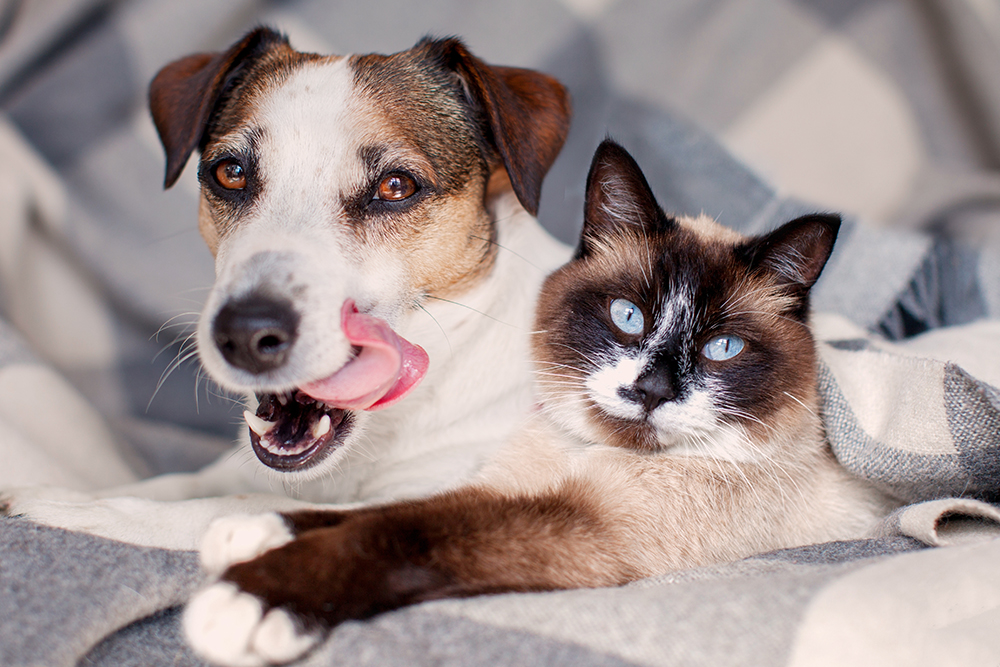
Cold, damp weather often worsens arthritis pain in older dogs and cats. Just like people, pets with stiff joints may become more reluctant to move, struggle to rise after resting, or limp after being outside. The combination of low temperatures and humidity can increase stiffness and inflammation, making everyday activities more difficult.
Simple adjustments at home can make a big difference. Provide thick bedding in warm areas of the house, and consider adding non-slip rugs to help pets with mobility on slick floors. Short, gentle walks spaced throughout the day keep joints moving without overexertion, while jackets or sweaters help maintain warmth outdoors.
Veterinary care is especially important for senior pets during the winter months. Your veterinarian may recommend joint supplements, anti-inflammatory medications, or physical therapy exercises tailored to your pet. Maintaining a healthy weight also reduces strain on painful joints, improving comfort year-round. With supportive care and a few household adjustments, older pets can stay active and comfortable through the cold season.
Medical Care and Emergency Preparedness
Winter wellness exams identify problems before they escalate. Cold weather can worsen arthritis and mobility issues, making regular monitoring essential.
Our clinic’s wellness care appointments allow veterinarians to adjust medications, recommend winter gear, and address seasonal health concerns. Maintaining preventative healthcare remains important because fleas and certain ticks stay active year-round.
Preparing for Emergencies
Seek help right away if your pet shows:
- Severe shivering that does not stop after warming
- Lethargy or weakness
- Difficulty breathing
- Signs of frostbite such as pale or bluish skin
Hypothermia progresses quickly, and delayed treatment can cause permanent damage. Know our emergency availability and keep our contact information accessible to save precious time.
Fear Free Winter Veterinary Visits
Cold-weather visits can be stressful for pets already uncomfortable with the season. Our team uses Fear Free techniques such as warming blankets, gentle handling, and patience to keep pets calm during care.
Cold-Weather Facts for Pet Owners
- Thick-coated breeds still have limits. Huskies and Malamutes can suffer hypothermia and frostbite during prolonged exposure. Age, health, and acclimatization also affect cold tolerance.
- Indoor pets may struggle too. Dry air from heating systems worsens skin and respiratory health, and reduced daylight can impact mood. Even pets that stay inside year-round can develop winter-related issues.
- Arcata’s damp chill matters. The region’s combination of humidity and ocean winds challenges pets more than colder, drier climates. Owners should prepare for damp cold conditions unique to the coast.
Arcata Animal Hospital Ensures Your Pets Stay Comfortable All Winter
Winter pet care requires attention to detail and proactive planning, but it does not have to be overwhelming. Understanding your pet’s needs and preparing for seasonal challenges ensures health and comfort all winter long.
If you notice persistent shivering, changes in appetite, cracked paw pads, or any signs of cold-weather distress, seek veterinary care. Our team at Arcata Animal Hospital combines comprehensive diagnostics with Fear Free handling to address winter health concerns while keeping pets comfortable. Call us at (707) 822-2402 to schedule a wellness visit, or visit our contact page to book an appointment.