
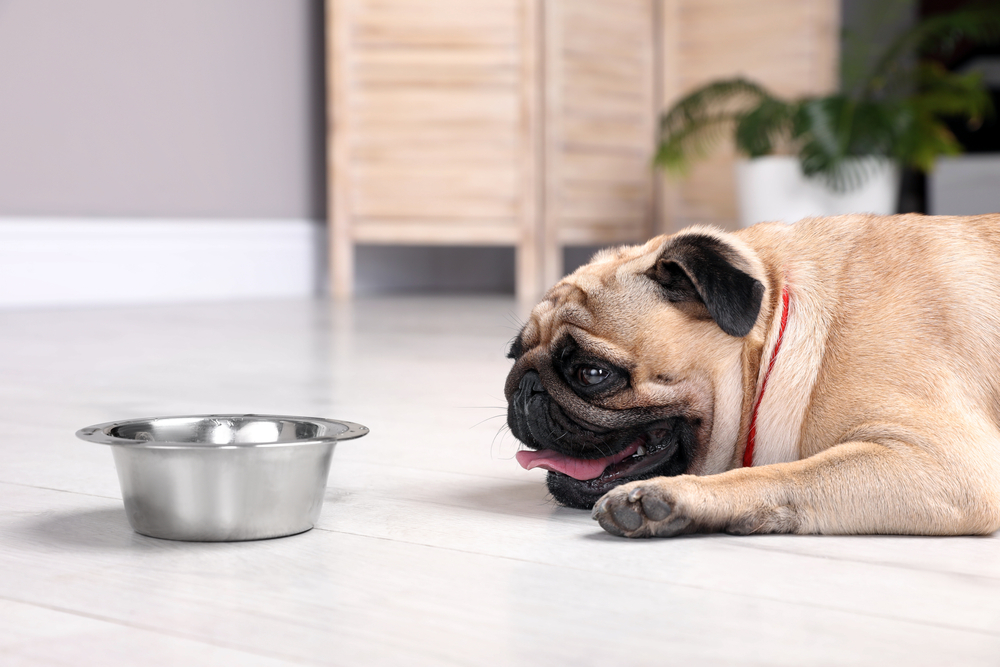
Dehydration Warning Signs in Pets: From Mild to Emergency
Your dog spent the afternoon playing in the backyard, and now they seem unusually tired and less interested in dinner. Or maybe your cat has been dealing with an upset stomach, and you have noticed they are not visiting the water bowl as often as usual. These moments can leave you wondering if something is wrong or if you are just being an overprotective pet parent. The truth is, your instincts matter. Dehydration can develop quickly in pets, and recognizing the signs early can prevent a minor issue from becoming a serious pet emergency.
Understanding what dehydration looks like, why it happens, and how to check for it at home puts you in a much better position to keep your pet safe. At Arcata Animal Hospital, we serve pets and their families throughout Humboldt County with comprehensive care that spans everything from wellness care to emergency treatment. If you are ever unsure whether your pet is dehydrated, our team is here to help you figure out the next steps.
What Exactly Is Dehydration in Pets?
Dehydration occurs when a pet loses more water and electrolytes than they take in. Water is essential for nearly every bodily function: regulating body temperature, supporting digestion, lubricating joints, cushioning organs, and maintaining blood pressure. When fluid levels drop too low, blood flow decreases, oxygen delivery to organs suffers, and electrolyte imbalances disrupt muscle and nerve function.
Hydration in pets is critical for overall health, and even mild dehydration can make pets feel unwell. The problem can escalate quickly, especially in hot weather or when illness is involved. Cats can be particularly tricky because they often do not drink enough water to begin with, making them more vulnerable when fluid losses increase.
Our preventative healthcare services include monitoring hydration status and discussing strategies to keep your pet well-hydrated year-round.
What Causes Dehydration in Dogs and Cats?
Dehydration can result from environmental factors, illness, or underlying medical conditions. Knowing the common causes helps you stay alert to situations where your pet might be at higher risk.
Environmental and Lifestyle Factors
- Heat exposure during hot days or after strenuous exercise, and subsequent Heatstroke
- Prolonged time outdoors without shade or water breaks, or with frozen bowls in winter
- Insufficient access to fresh water, especially in multi-pet households or during travel
- Elderly or painful pets who don’t want to get up to visit the water bowl
Illness-Related Causes
- Diarrhea that causes rapid fluid and electrolyte loss
- Vomiting that prevents pets from keeping fluids down
- Fever, which increases fluid requirements
- Infections like canine parvovirus, which causes severe gastrointestinal symptoms
Chronic Medical Conditions
- Chronic kidney disease, which impairs the body’s ability to concentrate urine and retain water
- Diabetes, which increases urination and fluid loss
- Hyperthyroidism in cats, which accelerates metabolism and water needs
- Certain cancers that affect appetite, digestion, or fluid balance
Very young pets, seniors, nursing mothers, and those with underlying health conditions are particularly vulnerable to dehydration. If your pet falls into one of these categories, staying vigilant about hydration is especially important.
Our diagnostics and testing services allow us to identify underlying conditions that may be contributing to dehydration, so we can treat the root cause rather than just the symptoms.
What Are the Early Signs of Dehydration?
Early dehydration can be subtle. The warning signs of dehydration often start with changes you might easily overlook:
- A dry or warm nose (though this alone is not definitive)
- Decreased energy or lethargy
- Reduced appetite or reluctance to eat
- Excessive panting, even without recent exercise
- Thick, stringy, or pasty saliva
- Gums that feel slightly tacky rather than moist and slippery
- Less interest in play or normal activities
If your pet seems “off” in a way you cannot quite pinpoint, dehydration is worth considering. Trust your instincts. You know your pet’s normal behavior better than anyone.
What Does Severe Dehydration Look Like?
Moderate to severe dehydration produces more obvious symptoms that require immediate veterinary attention:
- Loss of skin elasticity (skin stays tented when gently lifted)
- Sunken or dull-looking eyes
- Very dry, sticky, or pale gums
- Weakness, stumbling, or collapse
- Persistent vomiting or diarrhea that prevents fluid intake
- Refusing to eat or drink
- Disorientation or confusion
These signs mean the body is struggling to maintain vital functions. Organ damage can occur if dehydration is not addressed quickly. If your pet shows any of these symptoms, please call us immediately or visit our emergencies page for guidance.
How Can You Check for Dehydration at Home?
The Skin Turgor Test
This simple test gives you a quick sense of your pet’s hydration status. Gently lift the loose skin at the back of your pet’s neck or between the shoulder blades, pull it up to form a little tent, and release.
- Well-hydrated pets: The skin snaps back immediately, within about one second
- Dehydrated pets: The skin returns slowly or stays tented for several seconds
Keep in mind that this test can be less reliable in very young, senior, overweight, or underweight pets. Use it as one piece of information alongside other observations.
Gum Check and Capillary Refill Time
A home exam of your pet’s gums provides valuable information. Lift your pet’s lip and look at the gums above the teeth.
- Healthy gums: Pink, moist, and slippery to the touch
- Dehydrated gums: Dry, sticky, tacky, or pale
To check capillary refill time, press your finger gently against the gum to create a white spot, then release and count how quickly the pink color returns.
- Normal: Color returns in less than two seconds
- Concerning: Color takes longer than two seconds to return
Slow capillary refill can indicate dehydration or poor circulation and warrants veterinary evaluation.
Our team is happy to demonstrate these techniques during wellness care visits so you feel confident checking at home.
When Should You Seek Veterinary Care?
Mild dehydration with no other symptoms may be manageable at home by offering small, frequent amounts of water. You can add a bit of low-sodium chicken broth or water from canned tuna to the bowl to entice them to drink. However, any uncertainty should prompt a call to the clinic. Situations that require professional evaluation include:
- Moderate to severe symptoms like skin tenting, sunken eyes, or weakness
- Persistent vomiting or diarrhea lasting more than 24 hours
- Refusal to drink water
- Signs of pain or abdominal discomfort
- Symptoms of heatstroke (excessive panting, drooling, bright red gums)
- Known chronic conditions like kidney disease or diabetes
- Very young, senior, or immunocompromised pets
Emergency care for dehydration typically involves a thorough physical exam, diagnostic testing like bloodwork and urinalysis to assess the severity and identify underlying causes, and fluid therapy to restore hydration.
Preventing pet emergencies often comes down to early recognition and prompt action. When in doubt, call us. Our contact page has all the information you need to reach us.
How Is Dehydration Treated?
Treatment depends on the severity and underlying cause. For mild to moderate dehydration, subcutaneous fluids may be administered just under the skin, where the body absorbs them gradually. This can often be done during an outpatient visit.
For severe dehydration or when rapid rehydration is critical, intravenous (IV) fluids deliver fluids directly into the bloodstream for immediate effect. Pets receiving IV fluids typically need hospitalization for monitoring until they stabilize.
Treatment also addresses the root cause:
- Anti-nausea and anti-diarrheal medications when GI illness is involved
- Antibiotics if infection is present
- Management plans for chronic conditions like kidney disease to guide long-term care
Some pets with chronic conditions benefit from at-home subcutaneous fluid administration. Our team can teach you how to do this safely and confidently if it becomes part of your pet’s care plan.
How Can You Prevent Dehydration?
Prevention is always easier than treatment. Here are practical strategies to keep your pet well-hydrated:
Access to water:
- Provide fresh, clean water in multiple locations throughout your home
- Wash water bowls daily to prevent bacterial buildup
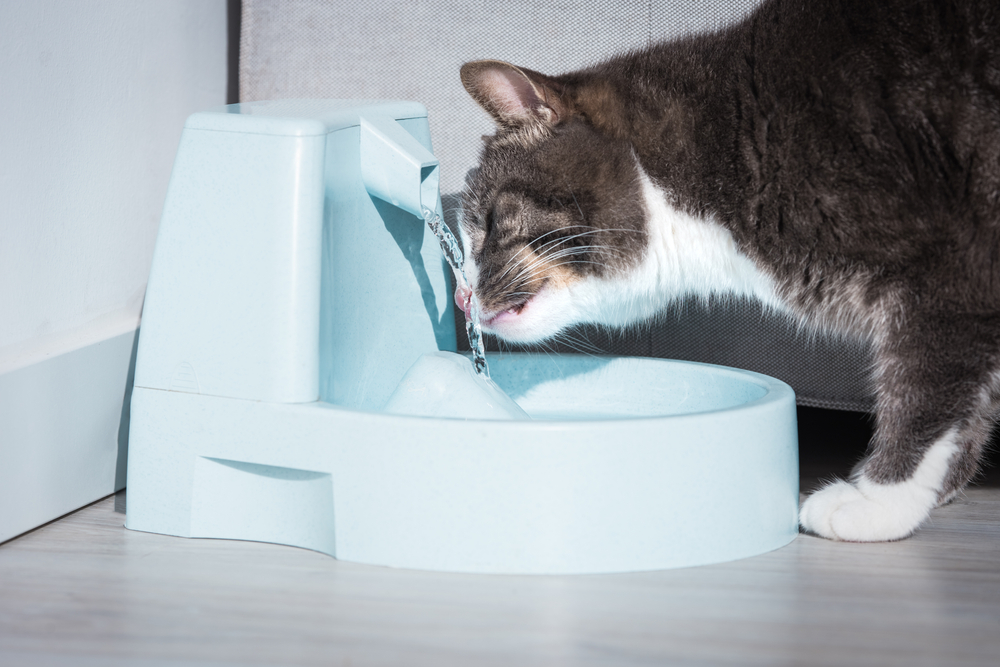
- Consider pet fountains or running water sources, which many cats prefer
Dietary adjustments:
- Incorporate wet food or add water to dry kibble to increase moisture intake
- Low-sodium broth (without spices) can make water more appealing
- Discuss hydration-boosting dietary strategies during nutritional consultations
Environmental awareness:
- Monitor water intake during hot weather and after exercise
- Limit outdoor time during peak heat hours
- Always provide shaded rest areas when outside
- Never leave pets in enclosed vehicles, even briefly
Health monitoring:
- Watch for early signs of illness that could lead to fluid loss
- Keep up with regular wellness exams to catch chronic conditions early
- Adjust hydration strategies for senior pets or those with known health issues
Our integrative medicine services include nutritional counseling to help you develop a hydration plan tailored to your pet’s specific needs.
FAQs
How much water should my pet drink each day?
Most dogs need about one ounce of water per pound of body weight daily. Cats typically need 3.5 to 4.5 ounces per five pounds of body weight. Active pets, nursing mothers, and those eating dry food may need more.
My pet does not seem to drink much. Should I be worried?
Cats in particular can be subtle about drinking. If your pet eats wet food, they may get significant moisture from meals. However, if you notice decreased water intake along with other changes like lethargy or appetite loss, it is worth having them checked.
Can I give my pet Pedialyte or sports drinks?
Plain, unflavored Pedialyte can be used in small amounts for mild dehydration, but it should not replace veterinary care for moderate or severe symptoms. Avoid sports drinks, which often contain sugars and additives that are not appropriate for pets.
How quickly can dehydration become serious?
It depends on the cause and the pet. A healthy adult may tolerate mild dehydration for a day or two, but a puppy, kitten, or senior with diarrhea can become critically dehydrated within hours. When in doubt, seek care sooner rather than later.
Your Partner in Keeping Your Pet Healthy
Recognizing dehydration early and knowing when to seek help can make a real difference in your pet’s outcome. Watch for subtle changes, trust your instincts, and do not hesitate to reach out when something seems off. Our team is always here to answer questions, demonstrate assessment techniques, and provide treatment when needed.
As an AAHA-accredited hospital committed to Fear Free practices, we prioritize both the physical and emotional wellbeing of every patient. If you have concerns about your pet’s hydration or want to schedule a wellness visit, please contact us. Together, we can keep your pet healthy, hydrated, and happy.


Leave A Comment