
Post-Op Care for Pets: Monitoring Recovery and Spotting Complications
Surgical success depends as much on home recovery as operating room precision. Incisions that heal perfectly in calm, restricted environments can break down when dogs jump off furniture or cats lick sutures. Pain that’s well-controlled with medication becomes suffering when doses are skipped. Infections can develop when drainage isn’t noticed or when lethargy gets dismissed as normal fatigue. Knowing what’s normal versus concerning- and when to call- makes all the difference.
Arcata Animal Hospital provides clear post-op instructions because home monitoring prevents most complications. Our team explains what incisions should look like, which activity restrictions matter most, and how to spot signs that something’s wrong. Through our wellness programs and follow-up visits, we track healing and adjust pain control as needed. We also offer integrative medicine options like acupuncture and rehabilitation to support recovery. If you notice appetite changes, incision concerns, or behavior shifts, contact us right away. We’re here to help and can schedule follow-ups to keep healing on track.
Normal Recovery vs. Red Flags
Most pets sleep more for 24–48 hours after surgery. Anesthesia takes time to clear, and rest helps healing. A reduced appetite is common at first, but interest in food usually returns within a day or two. Mild soreness is expected, yet your pet should still be able to walk, stand, and settle.
Some pets experience “dysphoria” when waking up from anesthesia- they feel weird and don’t know why. It’s especially common in vocal breeds like huskies. Your pet will go home with pain control- so if they are vocalizing, especially in the first 6-8 hours after surgery, it’s likely they are just experiencing some dysphoria and not uncontrolled pain. Don’t give extra pain meds without asking.
Call us if symptoms intensify or linger beyond the first couple of days. Severe pain that doesn’t improve with medication, nonstop whimpering or hiding, inability to rest, or refusal to move need attention. Vomiting more than once, ongoing diarrhea, or not eating or drinking for 24 hours may signal a complication.
Behavior changes often reveal discomfort early. Dogs that snap when touched near the incision or cats that hiss when picked up are showing pain. Restlessness, panting at rest, or struggling to get comfortable suggest something hurts more than it should. Watch for common pet pain signs, and for cats, the Feline Grimace Scale provides helpful visuals.
We emphasize early intervention because quick action prevents bigger problems. During discharge, we review pain plans and how to adjust if needed. Don’t wait and see- call with questions. A timely check can turn a potential emergency into a simple tweak in care.
Common Post-Surgical Problems and How to Prevent Them
Incision issues are among the most frequent concerns. Infection can look like increasing redness, swelling, warmth, or discharge. Wounds may reopen if pets lick, chew, or move too much too soon. Even small separations can delay healing.
Internal fluid buildup or bleeding may occur after major procedures. Watch for swelling that worsens, spreading bruising, or a firm, distended belly. These signs need evaluation.
It’s normal for a pet not to defecate in the 24 hours after surgery- just like in humans, opioid pain medications can cause constipation. Adding a few spoonfuls of plain canned pumpkin or sweet potato can add some extra fiber that helps get things moving. If it’s been more than 48 hours, let us know. Your pet should return to urination on a normal schedule- if they aren’t urinating, let us know promptly.
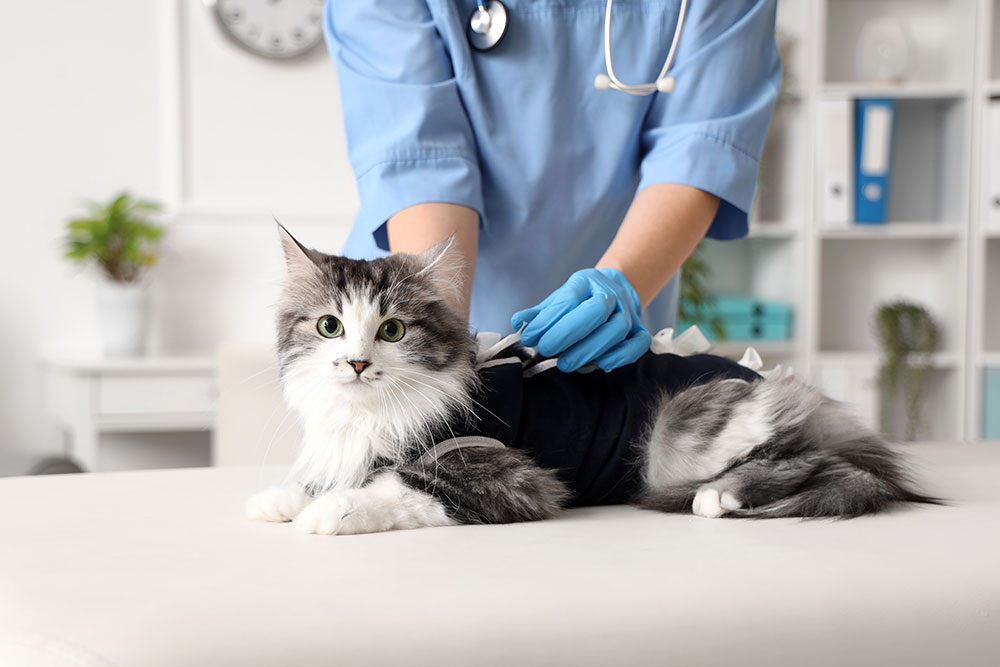
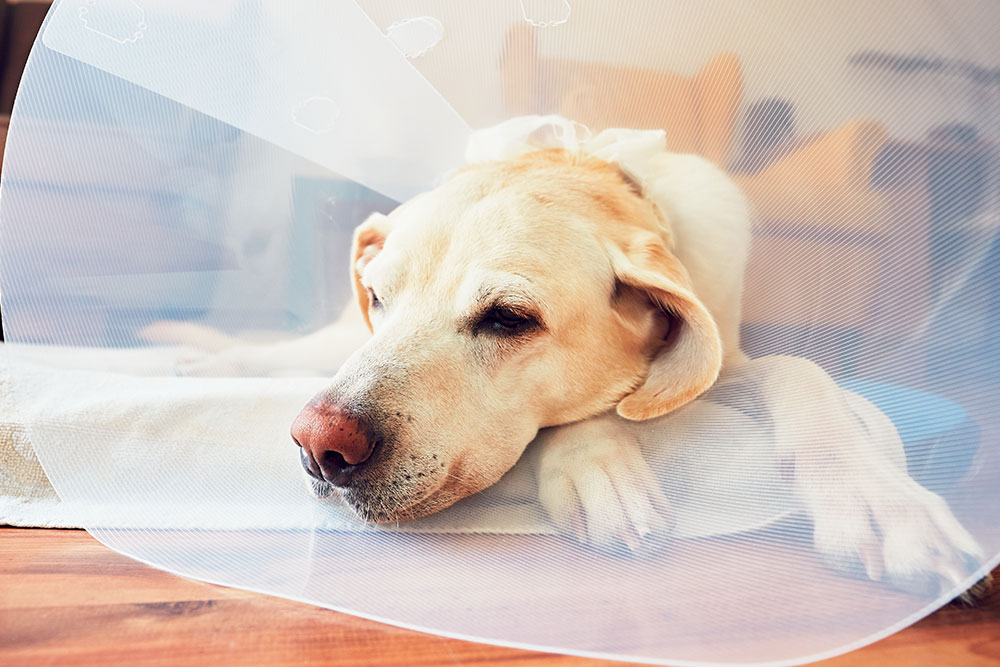
Licking or chewing the incision causes many setbacks. Saliva carries bacteria, and persistent attention can remove sutures. Use Elizabethan collars (cones), recovery suits, or deterrent sprays as directed. Some pets need creative solutions to keep the area protected. Remember to keep other pets away, too- there should be absolutely no licking of a surgical site.
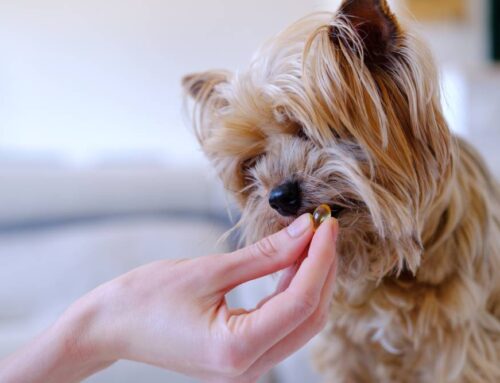
Pain control can fail if medications aren’t given consistently or don’t fully help. Some pets process meds quickly and may need adjustments. Under-treated pain slows healing and suppresses appetite. Some pets with well controlled pain will try to do too much, too fast- it’s up to you to keep them safe. Call us before changing doses on your own.
Activity restriction is tough for energetic dogs and active cats. Dogs often need leash-only bathroom breaks and crate rest; cats need help avoiding jumps and climbs. Resources like how to survive crate rest with your dog, where to put your cat after surgery and post-op care, and cage rest for cats can make the downtime easier.
Our diagnostic services– including digital radiography, ultrasound, and in-house lab work- help us spot complications early and confirm healing is on track.
When to Seek Urgent Care
Certain symptoms need immediate attention. If you notice these, call us and prepare to come in.
Breathing trouble: rapid breathing, gasping, neck extended, blue or pale gums, or open-mouth breathing in cats. Respiratory distress in pets requires urgent intervention.
- Collapse or extreme weakness: pale gums, cold paws, racing heart- signs of shock or bleeding.
- Uncontrolled vomiting or diarrhea: especially multiple episodes in a few hours, blood in vomit, or black stools.
- Not eating or drinking for 24 hours: especially with lethargy or hiding.
- Severe incision problems: heavy bleeding, wide opening of the wound, or thick, foul-smelling discharge.
Knowing which animal emergencies require immediate care helps you act quickly. Keep your pet calm and warm, avoid food or water if vomiting, and call ahead so we’re ready.
Arcata Animal Hospital provides emergency care during open hours- Monday through Friday from 7:30 A.M. to 6:00 P.M. and Saturdays from 8:00 A.M. to 4:00 P.M. We coordinate after-hours referrals to trusted critical care facilities. Call us at (707) 822-2402 so we can prepare for your arrival.
How Vets Check Recovery Concerns
First, we examine the incision: is healing on track, any signs of infection, and are the edges aligned? We gently feel around the area to check for fluid, swelling, or tenderness.
Bloodwork can reveal infection or inflammation and check organ function. Imaging- like radiographs or ultrasound- helps us assess internal swelling, fluid, or stability after orthopedic work without invasive steps.
We also assess pain by observing movement, touch response, and behavior.
Our in-house diagnostic capabilities mean quick results and faster treatment adjustments.
Treatment Options: What Might Your Pet Need?
Care plans are tailored to what we find. Here are common steps:
- Pain relief: adjusting doses, adding medications, or using supportive therapies. Veterinary physical rehabilitation like cold therapy, gentle massage, or guided movement can help.
- Hydration and nutrition: subcutaneous fluids for mild dehydration or IV fluids for more serious cases. Appetite support can include anti-nausea meds, stimulants, or short-term assisted feeding.
- Infection care: antibiotics when indicated, cleaning and sometimes opening/draining the incision so it can heal properly.
- Oxygen and monitoring: for breathing or circulation concerns, hospitalization allows close observation and rapid intervention.
- Surgical revision: if a wound fully opens, an orthopedic repair fails, or internal bleeding persists, surgery may be needed.
Our surgical services provide continuous monitoring, with careful anesthesia protocols, and trained staff. We offer hospitalization for pets needing more intensive monitoring. Our integrative medicine approaches– including acupuncture, laser therapy, and rehabilitation modalities like manual therapy, therapeutic ultrasound, and PEMF- support comfort and recovery. Dr. Joy, a Certified Veterinary Acupuncturist, can provide acupuncture sessions to reduce pain and promote healing, while our rehabilitation services offer customized exercise and stretching programs to safely restore mobility.
Why Isn’t My Pet Eating or Acting Normal?
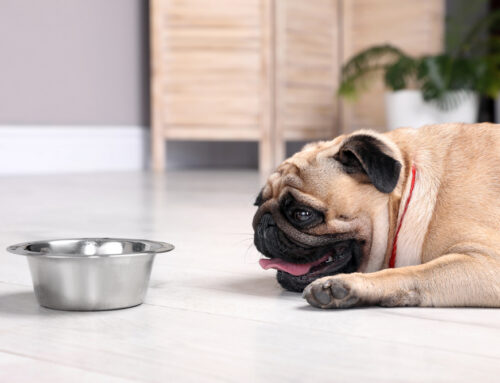
A delayed appetite after surgery is common. Many pets start nibbling within 24–48 hours, but some take longer depending on the procedure and stress level. Abdominal surgery can cause temporary nausea, and pain can also reduce interest in food.
Watch overall behavior. An alert pet that drinks and slowly becomes more active likely just needs more time. A pet that’s very lethargic, uninterested in surroundings, or declining needs a prompt check.
Try small, tasty meals, slightly warmed to boost aroma. Hand-feed if helpful. Some pets prefer their regular diet; others need something more enticing during recovery.
Persistent or worsening lethargy isn’t normal, and remember cats often hide illness- any big shift in activity is worth a call.
We offer nutritional counseling and appetite support as part of post-op care. If eating or drinking is off, reach out so we can help before dehydration or weight loss slows healing.
Supporting Long-Term Healing and Preventing Setbacks
Keep exercise controlled. For dogs, leash walks only- no running, jumping, or rough play until we say it’s safe. Many soft tissue surgeries like spay and neuter need about two weeks of restriction; orthopedic procedures often require six to eight weeks or more. Gradual activity increases protect healing tissues. For pets recovering from orthopedic surgery, our rehabilitation services provide customized exercise programs designed to safely restore strength and mobility while protecting surgical repairs. Pets who receive laparoscopic procedures typically require less downtime and heal faster, but still need restrictions until we give the okay.
Modify the environment to reduce risks. Use baby gates for stairs, block access to furniture, and clear pathways to prevent trips. For cats, remove access to high spots and offer cozy ground-level resting areas.
Check the incision daily. Watch for increasing redness, swelling, discharge, or edges separating. Take photos to compare day to day and share with us if you’re unsure.
Offer mental enrichment without physical strain. Puzzle feeders, sniff mats, and simple training games keep pets engaged while they rest. DIY enrichment toys for your cat and choosing types of chew toys safe for dogs can help.
Our wellness care programs include rechecks to ensure healing is on track. We advise on suture removal, activity upgrades, and lingering concerns. Our Fear Free approach keeps follow-up visits calm and gentle.
FAQs: Quick Answers for Common Post-Op Questions
How much licking is too much?
Any licking at the incision is too much. Use the cone or recovery suit as directed and call if you see redness, swelling, or discharge.
Is some swelling normal?
Mild swelling can happen, but it should improve daily. Worsening swelling, spreading bruising, or a firm belly needs a check.
When can my pet return to regular activity?
Usually after the recheck when we confirm healing. Many soft tissue surgeries clear at about two weeks; orthopedic timelines are longer.
What if my pet cries at night?
This may be pain, anxiety, or the cone bothering them. Ensure meds are on schedule, help them settle comfortably, and call if crying persists.
We’re Here Throughout Your Pet’s Recovery Journey
Most pets heal beautifully with attentive home care and early action if something seems off. Trust your instincts. If pain seems worse than expected, appetite doesn’t return, breathing changes, or the incision looks concerning, reach out instead of waiting.
Arcata Animal Hospital provides clear instructions and follow-up calls because we want to catch problems early. Whether you need reassurance or an urgent evaluation, we’re ready to support you and your pet through recovery. Schedule a post-surgical recheck or contact us with questions. We’re your partner in your pet’s healing- here to guide, help, and ease your worries.


Leave A Comment