
When Cats Throw Up: Knowing What’s Normal and What’s Not
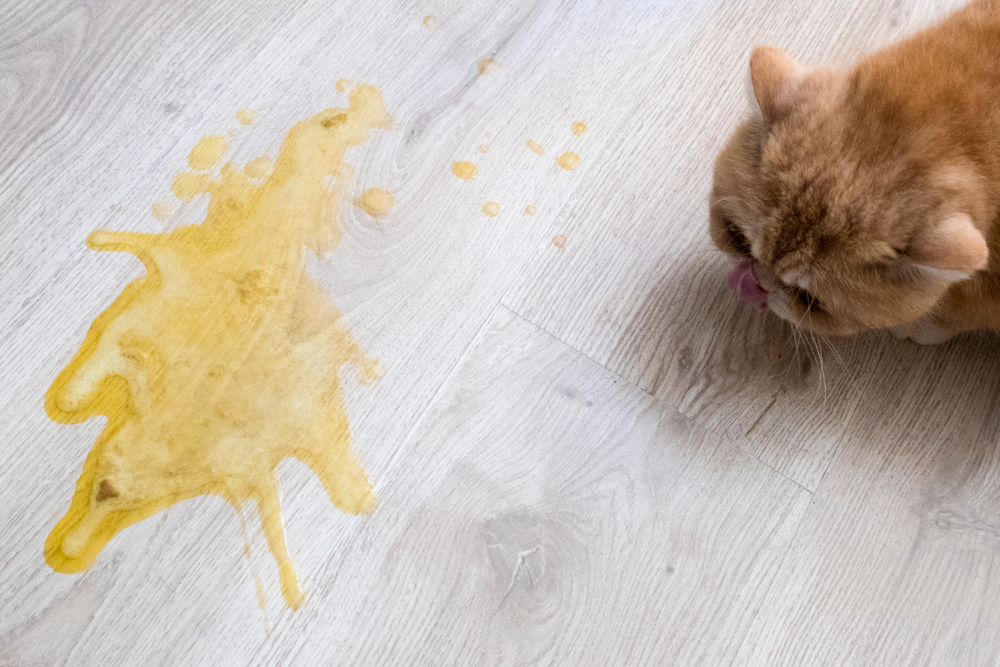
Every cat owner has been there: You hear that distinct sound, and a moment later, you’re cleaning up a mess on your rug. Is it just a hairball, or should you be worried? While every cat occasionally coughs up a hairball, frequent or repeated vomiting is often a sign of something more serious, potentially indicating food intolerance, infection, or organ disease. Because our pets are experts at hiding when they don’t feel well, persistent vomiting always warrants a prompt visit to the veterinarian to identify the cause and protect their long-term health.
At Arcata Animal Hospital, we know that seeing your cat vomit can be alarming- especially when it happens often or seems to come out of nowhere. Our team uses advanced diagnostic testing and a compassionate, Fear Free® approach to uncover the cause and help your feline companion feel their best. From minor stomach upsets to complex internal medicine cases, we’re here to provide big-city medicine in a small-town setting, with care that feels like family.
Why Cats Vomit: Common Causes and When to Worry
Dietary Indiscretion and Sudden Food Changes
Cats are curious creatures with sensitive digestive systems. Sometimes, vomiting occurs because of what they eat rather than an underlying illness. Spoiled food, table scraps, or even household plants can irritate the stomach.
Fatty food scraps- like chicken skin or bacon grease stolen from your trash- can cause pancreatitis. Nibbling on toxic plants can cause vomiting from irritation to the stomach lining or more serious illness like kidney failure from lillies. Curious cats may ingest string, rubber bands, or toys- objects that can pose serious risks of gastrointestinal obstruction. Gradual diet transitions over 7–10 days and keeping tempting non-food items out of reach can help prevent these incidents.
Cats with sensitive stomachs or food allergies may also react to certain proteins or additives. Our veterinarians may recommend a limited-ingredient or prescription diet trial to rule out intolerances. Monitoring what your cat eats, even small treats or human snacks, is key to identifying triggers.
If your cat vomits repeatedly after eating, or if you suspect they’ve swallowed something they shouldn’t, contact us immediately through our emergency services. We can perform diagnostic tests and endoscopy to get to the root of the problem, and surgery to remove foreign objects blocking your pet’s GI.
Hairballs, Overgrooming, and Intestinal Disorders
Occasional hairballs aren’t concerning, but producing hairballs more than once monthly can signal deeper issues. Overgrooming due to stress, allergies, or skin irritation increases swallowed fur, while intestinal motility issues can make it harder to pass. Regular brushing, high-fiber diets, and stress-reducing enrichment can help reduce frequency, but chronic episodes should always be discussed with a veterinarian.
Chronic hairball vomiting may also mask other gastrointestinal disorders, such as lymphoma, inflammatory bowel disease (IBD) or food allergies. Our preventive healthcare plans can help you manage underlying allergies, and our diagnostic ultrasound capabilities help us evaluate your cat’s intestinal health.
Parasites and Infections
Even indoor cats can encounter intestinal parasites that trigger intermittent vomiting. Roundworms, tapeworms, and giardia are common culprits, especially in kittens, often contracted from contaminated soil, fleas, or prey. Some cats may also develop mild infections or bacterial imbalances that irritate the digestive system. Regular deworming and fecal examinations are vital to keeping your cat healthy.
Our team performs comprehensive parasite screenings as part of every wellness exam, ensuring both you and your pet stay worry-free. In chronic cases, we may also recommend advanced testing or imaging to rule out inflammatory or structural causes.
Chronic Conditions Linked to Vomiting
Persistent or unexplained vomiting in older cats can point to chronic illnesses such as chronic kidney disease, liver disease, or hyperthyroidism. Weight loss, increased thirst, or changes in appetite often accompany these conditions. Routine bloodwork and urinalysis help identify early signs, while ongoing management can significantly improve quality of life.
At Arcata Animal Hospital, we use in-house laboratory tools to detect subtle abnormalities early, offering a proactive approach to senior feline health. We also provide follow-up monitoring and dietary recommendations tailored to your cat’s unique needs, helping reduce flare-ups and improve digestion over time.
When to Call the Vet: Recognizing Urgent Symptoms
Bile, Blood, and Color Changes
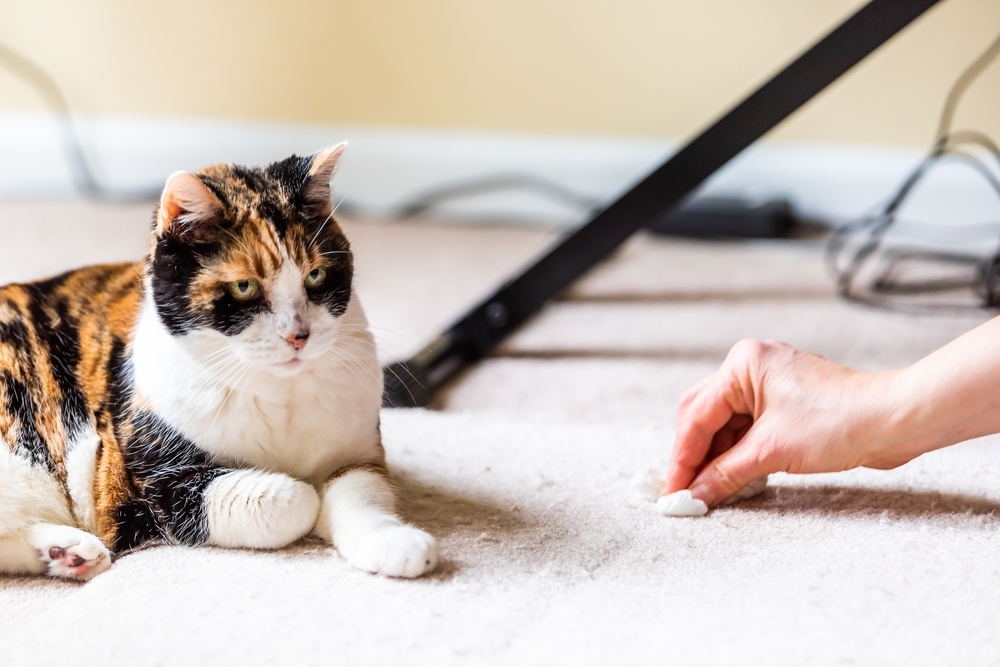
The color and texture of vomit offer valuable clues. Yellow or green bile may suggest an empty stomach or reflux, while streaks of bright red or dark “coffee-ground” material can indicate bleeding. Any presence of blood or signs of pain should prompt immediate attention.
Other Symptoms That Need Prompt Attention
If your cat vomits multiple times in 24 hours, refuses food, or shows signs of dehydration, it’s time to act. Additional red flags include abdominal pain, drooling, hiding, or visible lethargy.Cats who stop eating entirely can develop hepatic lipidosis, a dangerous liver condition, within just a few days. Persistent vomiting, especially when paired with other changes like diarrhea or appetite loss, may indicate a serious issue that requires immediate medical care.
We’re equipped to handle urgent gastrointestinal cases during open hours through our emergency department, and offer hospitalization for cats who need it. For after-hours emergencies, call our rotating on-call hotline listed on our website.
Preventing Future Episodes and Supporting Long-Term Digestive Health
Diet and Routine Matter
A balanced diet and consistent feeding schedule are essential for digestive comfort. Focus on high-quality proteins, avoid abrupt food changes, and support gut health with proper hydration and fiber. Cats benefit from proper nutrition that matches their life stage and lifestyle. Decreasing stress, especially around meal times, can help decrease anxiety-related vomiting. For cats that eat too quickly, try using puzzle toys or slow feeders.
If you’re unsure which diet suits your cat’s needs, our veterinarians can provide tailored guidance as part of your pet’s wellness care. We can also help you select prescription gastrointestinal diets for cats prone to recurrent vomiting or sensitive stomachs.
The Role of Regular Veterinary Check-Ups
Annual or semi-annual wellness exams help detect small changes before they become major problems. Routine lab work and imaging identify internal conditions early- giving cats the best chance for successful management. Preventive care also ensures vaccinations and parasite protection stay up to date.
Our AAHA accreditation reflects our dedication to these standards of care, ensuring every patient benefits from consistent, evidence-based medicine. For cats with ongoing issues, periodic rechecks allow us to fine-tune treatments and monitor long-term progress.
Special Considerations for Senior Cats
Older cats require closer observation. Vomiting in seniors may accompany liver disease, kidney changes, or thyroid imbalance. Keeping track of appetite, hydration, and grooming habits helps detect issues before they progress. Our veterinarians focus on recognizing senior pet health problems early, combining diagnostics with integrative care like acupuncture, diet adjustments, and gentle therapies to maintain comfort and longevity.
Senior cats often benefit from more frequent checkups- every six months rather than annually- to catch subtle changes in lab values or body condition that could explain chronic vomiting or decreased appetite.
Taking Action: How Arcata Animal Hospital Can Help
Most causes of feline vomiting can be effectively managed once identified. Whether it’s a dietary issue, chronic illness, or stress-related behavior, prompt evaluation makes all the difference.
At Arcata Animal Hospital, we pair advanced technology with heartfelt compassion, offering diagnostics, hospitalization, and follow-up care that ensure your cat receives comprehensive support every step of the way.
Our Fear Free® philosophy minimizes stress during exams and testing, helping cats feel safe and understood.
If your feline friend is vomiting more than occasionally- or if you’re simply unsure whether it’s normal- contact us today to schedule an appointment. Together, we’ll uncover the cause and help your cat feel better, faster.




Leave A Comment