
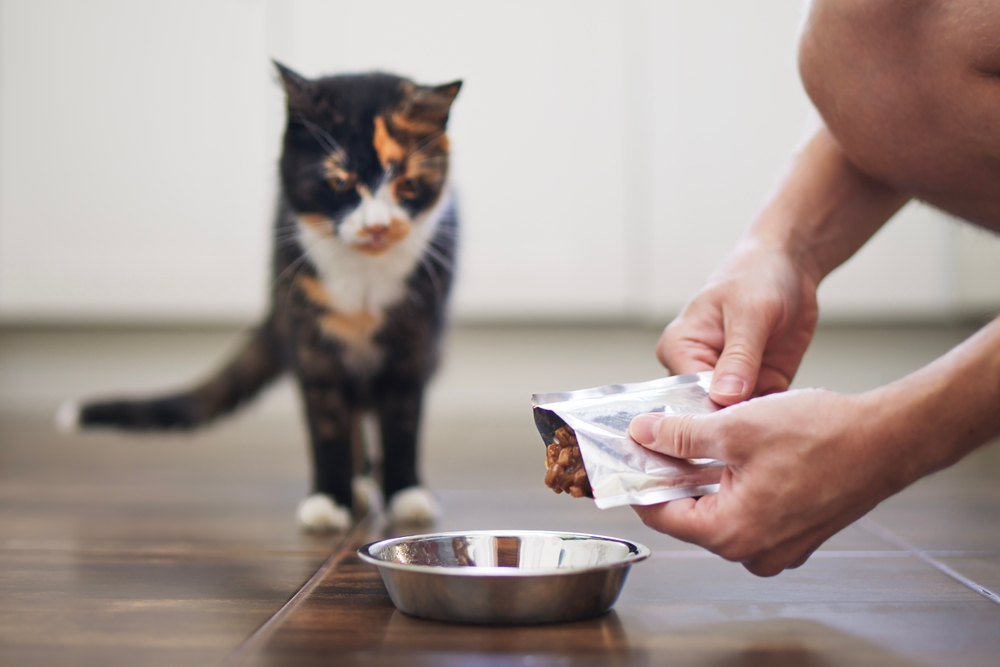
How to Pick a Cat Food: Life Stage, Ingredients, and Health Needs
What Should You Really Be Feeding Your Cat?
That midnight meow for a snack or the discerning sniff your feline gives their food bowl can lead to a lot of questions about what you are feeding them. It can feel like a genuine puzzle trying to decide which type of cat food is truly best when the choices seem endless on the grocery store shelves. We understand that you want your cat to have a long, healthy life full of their usual silly antics, and proper nutrition is the foundation of that goal. Finding the right food for your feline is a fundamental way you can protect their health and keep them feeling their best. It can be hard to sift through all the marketing claims to find a genuinely good option, but we are here to help you make sense of it all.
Choosing the right diet for your feline is a critical decision that directly impacts their overall wellness and requires personalized attention. Here at Arcata Animal Hospital, we treat every cat who comes through our doors with the same gentle care we would give our own pets. We combine high-quality veterinary medicine with a personal touch, ensuring that we look at your cat’s unique needs, life stage, and current health status to help you find the best nutritional match as a part of our focus on preventative healthcare. Contact us today to talk through your cat’s dietary questions or schedule a wellness visit.
What Do Cats Actually Need in Their Diet?
Cats are obligate carnivores, which means their bodies are built to run on animal-based protein. Unlike dogs, cats cannot manufacture certain essential nutrients on their own. They depend on animal tissue for taurine, arachidonic acid, and preformed vitamin A, none of which are available in adequate amounts from plant sources alone. The right food supports heart, kidney, and digestive health while helping maintain a healthy weight.
A steady feeding routine keeps appetite and digestion on track, and it keeps your cat from yelling at you for seconds. Here are the important basics:
- Prioritize named animal proteins as a first ingredient, such as chicken, turkey, or salmon, rather than plant-based proteins
- Select formulas that match life stage (kitten, adult, or senior) and look for foods that meet AAFCO guidelines
- Because many cats do not drink enough water on their own, moisture matters. Incorporating wet food or adding water to meals can make a meaningful difference.
For a tailored plan, we offer wellness care and nutritional counseling that fit your cat’s age, lifestyle, and health. Our integrative medicine services also include nutritional therapy for cats who need a more specialized approach.
Can My Cat Be Vegetarian or Vegan?
This comes up more often than you might expect, and the answer is no. Cats cannot safely thrive on a vegetarian or vegan diet. Their biology is fundamentally different from ours. Taurine deficiency alone can lead to heart disease and blindness in cats, and plant-based diets simply cannot provide the full spectrum of amino acids, fatty acids, and vitamins that cats require in their natural forms.
Even with synthetic supplementation, plant-based diets carry significant nutritional risks for cats. If you are interested in reducing the environmental impact of your pet’s diet, there are other ways to make thoughtful choices, and we are happy to talk through options that keep your cat’s health front and center.
What Is AAFCO, and Why Does It Matter?
You will see “AAFCO” on a lot of pet food labels, and it is worth understanding what it means. The Association of American Feed Control Officials sets the nutritional standards that pet foods must meet to be labeled “complete and balanced.” They do not approve or certify individual products, but they establish the minimum nutrient profiles that foods must provide for each life stage.
When a food label says it meets AAFCO guidelines, it means the formula has been shown, through either feeding trials or nutrient analysis, to provide adequate nutrition for the life stage listed. Look for this statement on any food you are considering. It is one of the simplest ways to confirm that the diet meets at least a baseline standard of nutritional adequacy.
Wet vs. Dry Cat Food: Which One Should You Choose?
Both wet and dry foods can meet your cat’s needs when chosen thoughtfully. Wet food boosts hydration and can support kidney health and urinary comfort, while dry food is convenient and easy to portion. Many cats do well with a mix of both.
Cats evolved to get much of their moisture from prey, so many will not drink enough from a bowl when eating a dry-only diet. This is especially important for cats prone to feline lower urinary tract disease (FLUTD), where concentrated urine contributes to crystal formation, inflammation, and discomfort. Offer several water stations in quiet spots and consider a fountain if your cat prefers moving water.
For cats with urinary or kidney problems, maintaining hydration becomes a critical part of their health management. We discuss water intake and litter box patterns during preventative healthcare visits and help you track what is normal. If you notice less urine, darker urine, or more box visits, reach out early.
How Much Should You Feed Your Cat?
Extra weight raises the risk of urinary discomfort, diabetes, and joint strain. Maintaining a lean body weight will add years to your cat’s life and save you thousands of dollars in medical costs over their lifetime. Use measured feeding rather than free-feeding and keep treats to no more than ten percent of daily intake.
If weight loss is needed, a calorie calculator can help you find a starting point. The goal is to have a body condition score of 5, where you can see a waistline and feel the ribs without pressing hard. If your cat does need to lose weight, small, sustainable changes in calories combined with gentle exercise work best. Never starve a cat or force rapid weight loss. It can cause a life-threatening liver disease known as hepatic lipidosis.
Weight loss in older cats is a different situation entirely and is typically associated with age-related diseases like chronic kidney disease and hyperthyroidism. For these cats, prescription diets that provide the right nutrition without ingredients that can make their condition worse are key. We will help you pick the right foods if your cat has health problems.
We set realistic goals, recheck weight, teach you how to body condition score your cat, and adjust calories based on progress through wellness care visits.
How Do You Read a Cat Food Label?
Food labels can be crowded and confusing. Focus on clear animal proteins, balanced nutrients, and formulas suited to your cat’s life stage or health needs.
What to look for:
- Named animal proteins listed early in the ingredient list, such as “chicken” or “salmon” rather than vague terms like “meat by-products”
- Balanced vitamins, minerals, and taurine (an essential amino acid that cats cannot produce enough of on their own)
- An AAFCO statement confirming the food is complete and balanced for the appropriate life stage
- Calorie content per can or cup, which helps with accurate portioning
What to be cautious about:
- Foods heavy in fillers like corn gluten meal or soy as primary protein sources
- Ingredient lists where the first named animal protein appears far down the list
- Labels that make health claims without an AAFCO adequacy statement
The AAFCO website has helpful guidance on what different ingredients mean and how terms like “dinner,” “recipe,” and “with” change how much of an ingredient is actually in the food. As an AAHA-accredited hospital, our commitment to the highest medical standards means we base our nutritional recommendations on current research, not marketing trends.
Does My Cat Need Supplements or Vitamins?
Most cats eating a complete and balanced commercial diet do not need additional vitamins and supplements. The key nutrients cats need, including taurine, omega fatty acids, and fat-soluble vitamins, are already formulated into quality cat foods.
However, there are situations where supplements can play a valuable supporting role:
- Probiotics can support digestive health, especially during diet transitions, after antibiotic use, or for cats with chronic digestive issues. We carry a range of veterinary-grade probiotics through our pharmacy.
- Joint supplements containing omega-3 fatty acids, glucosamine, or chondroitin can support mobility in senior cats or those with early arthritis. Our pharmacy carries hip and joint supplements formulated specifically for cats.
- Vitamins and minerals may be recommended for cats with specific deficiencies, malabsorption issues, or chronic conditions that affect nutrient uptake. We offer cat-specific vitamins that are dosed appropriately for feline metabolism.
The important thing to know is that more is not always better with supplements. Some vitamins, particularly fat-soluble ones like vitamin A and D, can build to toxic levels if over-supplemented. Always check with your veterinarian before adding anything to your cat’s diet, especially if they are already on a prescription food.
When Does a Cat Need a Prescription or Therapeutic Diet?
Some health conditions need very specific nutrition. Kidney disease, sensitive stomachs, urinary risks, and food allergies may all benefit from prescription diets guided by diagnostic testing and follow-up. If your cat has allergies or digestive sensitivities, we can select prescription limited-ingredient or hydrolyzed diets and monitor response using dedicated food trials.
Cats with chronic vomiting, diarrhea, or unexplained weight loss sometimes need further investigation to determine whether the cause is inflammatory bowel disease (IBD) or something more serious like intestinal lymphoma. These two conditions can look very similar from the outside, and distinguishing between them often requires diagnostic ultrasound and intestinal biopsies obtained through endoscopy. Once we have a diagnosis, diet becomes a targeted part of the treatment plan rather than a guessing game.
Our online pharmacy offers a large variety of prescription diets for a range of conditions, in wet or dry formulas, with many flavors for picky cats. Our team helps you choose the right formula and checks progress over time.
Why Is My Cat So Picky About Food?
Cats have a reputation for being finicky, and some of that is genuinely just preference. But when a cat who has been happily eating a food suddenly refuses it, or becomes increasingly selective over time, it is worth considering whether something medical is going on.
When Pickiness Is Actually a Health Concern
Cats who feel nauseous when they eat can begin to associate a particular food with feeling bad, a phenomenon called food aversion. This can happen with kidney disease, gastrointestinal inflammation, pancreatitis, or even medication side effects. The cat is not being difficult. They are trying to avoid something that made them feel sick, and they may reject any food that reminds them of that experience, including foods they used to love.
Dental pain is another common hidden cause. Cats with fractured teeth, resorptive lesions, or inflamed gums may approach the bowl eagerly but then pull away, chew on one side, or drop food. A thorough dental exam can reveal pain that is not visible from the outside, and resolving it often brings appetite right back.
If your cat’s eating habits have changed, a veterinary check is a smart first step before assuming the problem is behavioral.
Tips for Encouraging a Reluctant Eater
If your cat has been cleared medically and is simply particular about their meals, a few strategies can help:
- Warm the food slightly. Cats rely heavily on smell to decide whether something is appealing, and gently warming food to just below body temperature releases more aroma. This is often the single most effective trick for getting a reluctant cat to eat.
- Offer variety in texture. Some cats prefer pate, others like chunks in gravy, and some want shredded. Trying different textures within the same brand can reveal a strong preference you did not know about.
- Use small, frequent meals. A large bowl of food sitting out for hours loses its appeal. Smaller portions offered fresh are more enticing and mimic a cat’s natural pattern of multiple small meals throughout the day.
- Minimize food bowl stress. Serve meals in a quiet spot away from foot traffic, other pets, and loud appliances. Some cats prefer shallow, wide dishes that do not press against their whiskers.
- Transition gradually. When switching foods, mix the new food with the old over seven to ten days. Abrupt changes are more likely to be rejected and can also upset the stomach.
How Can Feeding Routines Reduce Stress?
Calm, predictable feeding helps sensitive cats stay comfortable. Stress can trigger urinary flare-ups and upset stomachs, so routine and a quiet setup matter more than many owners realize.
In the wild, cats eat multiple small meals throughout the day by hunting. Replicating that pattern at home helps fulfill instinctual needs and reduces stress. Using food puzzles or hunting toys provides mental enrichment and slows down eating, which avoids the “scarf and barf” routine that happens when some cats eat large meals too quickly.
Feed at the same times daily to build predictability and serve meals in a quiet spot away from foot traffic. In multi-cat homes, provide separate bowls or food puzzles to prevent tension. Because stress influences urinary comfort, our Fear Free approach extends to diet counseling as well.
Should You Keep Diet Consistent During Travel or Boarding?
A sudden diet change during travel can upset the stomach or trigger urinary flare-ups. Consistency is protective, especially away from home.
- Pack enough of your cat’s usual food plus extra
- Share clear feeding instructions and portions with the caretaker
- Expect mild appetite changes and resume your normal routine once home
Our feline boarding offers a quiet, cat-focused environment where routines are respected and hydration is encouraged. We update you on appetite, litter box habits, and any changes so you stay informed.
Frequently Asked Questions
What is the best food for my cat? A balanced, complete diet that fits your cat’s age, health, and preferences, with strong animal protein and adequate moisture. Many cats thrive on a mix of wet and dry food. Your veterinarian can help narrow down the best options based on your cat’s individual needs.
How much should my cat eat? Portions depend on weight, activity, and goals. Use label guidelines as a starting point, then fine-tune with us during preventative healthcare visits.
Does wet food help with urinary health? Yes. Wet food adds moisture that helps dilute urine and support bladder comfort. Pair wet meals with fresh water stations to keep hydration steady.
What signs of urinary trouble should I watch for? Straining, frequent small voids, blood in urine, strong odor, or peeing outside the box. If no urine is produced, seek urgent care immediately.
Do I need to buy the most expensive cat food? Not necessarily. Price does not always equal quality. A moderately priced food that meets AAFCO standards, lists named animal protein as the first ingredient, and matches your cat’s life stage can be an excellent choice. The most important thing is that the food is nutritionally complete and that your cat eats it consistently.
Ready to Personalize Your Cat’s Nutrition?
Choosing the right cat food becomes easier with a trusted partner. Our Arcata Animal Hospital team blends high-standard veterinary medicine with personal, Fear Free care tailored to your cat’s needs. If you are ready to fine-tune diet, hydration, and overall wellness, contact us to schedule a visit. We are here to help, guide, and be your partner in your cat’s care so mealtimes are happy and health stays on track.






Leave A Comment