

Do Pets Really Need Supplements? A Veterinarian’s Evidence-Based Guide
Walk down the supplement aisle at any pet store and you’ll find hundreds of options promising healthier joints, better digestion, shinier coats, and calmer behavior. Some of these products genuinely help. Others? Mostly marketing. And quality varies more than you might expect, with issues like contamination, incorrect dosing, or formulations too weak to make a difference.
So how do you know what’s worth trying? That’s where we come in.
At Arcata Animal Hospital, our AAHA-accredited wellness programs focus on evidence-based recommendations, not trends. Through wellness care and integrative medicine visits, we talk through which supplements have solid research behind them, source from manufacturers with strong quality control, and track whether your pet actually improves. Contact us to see what might help your pet.
When Should You Consider Supplements?
Maybe your senior dog has started hesitating on the stairs. Maybe your cat’s stomach seems sensitive lately, or your pet paces restlessly at night. These are the kinds of concerns that bring owners to ask about supplements, and sometimes they really can help.
But here’s the thing: not every pet needs them, and some can harm instead of help.
Supplements work best when they’re filling a specific gap that diet alone can’t address. During wellness care visits, we look at your pet’s overall health, talk about what you’re hoping to improve, and figure out together whether a supplement makes sense as part of their care plan.
What Do Pet Supplements Actually Do?
At the most basic level, supplements add nutrients or give extra support to specific body systems. They generally fall into two categories:
Nutritional support fills gaps when regular food isn’t enough. This might apply to pets on homemade diets, or those with special needs during growth, pregnancy, or recovery from illness.
Therapeutic support targets a specific problem like achy joints, digestive upset, mental decline in older pets, or urinary issues.
Quality matters more than you might think. There’s a wide range across dietary supplements, which is why we stick to brands with third-party testing.
Here’s some good news: if your pet eats a complete commercial diet and is otherwise healthy, they probably don’t need anything extra. But needs can change as pets age or develop health conditions. We assess diet, exam findings, and test results during preventative healthcare visits so we only recommend what will actually be useful.
Joint Support: Does Your Pet Need It?
If you’ve noticed your dog moving a little slower lately, you’re not alone. Arthritis and joint strain show up often in large breeds, active dogs, pets carrying extra weight, and seniors of all sizes.
Watch for these signs:
- Stiffness when getting up after a nap
- Reluctance to jump on furniture or climb stairs
- Limping, even if it comes and goes
- Grumpiness when you touch certain spots
Joint supplements typically contain ingredients like glucosamine, chondroitin, MSM, and omega-3 fatty acids. These can help ease inflammation and support cartilage health over time. For dogs at higher risk, starting early may help slow things down before they get worse.
Supplements work even better when combined with other therapies. Our comprehensive rehabilitation services include laser therapy, acupuncture, and animal physiotherapy. Our rehab team does thorough orthopedic exams to pinpoint exactly what’s going on, then builds a customized plan. That might include hands-on therapies, regenerative options like PRP and stem cell therapy, modalities like PEMF and Piezo-ESWT, and yes, the right supplements to support it all.
Digestive Health: Can Probiotics Help?
Tummy troubles are incredibly common in pets. Maybe your dog has unpredictable stools, your cat seems sensitive to certain foods, or stress (like vet visits or travel) triggers digestive upset. Antibiotics can also throw things off.
Probiotics introduce beneficial bacteria to the gut. Prebiotics are special fibers that feed those good bacteria. Together, they help keep digestion running smoothly and support immune function too.
Digestive supplements might help if your pet deals with:
- Diarrhea during or after antibiotics
- Chronic loose stools or inconsistent digestion
- Food sensitivities or inflammatory bowel disease
- Stress-related stomach upset
- Trouble absorbing nutrients properly
Some pets also benefit from added fiber or vitamin B12 when absorption is a problem. Our diagnostics testing helps us figure out what’s actually causing the issue, whether that’s parasites, infection, or an organ problem, so we can pair the right diet and supplements with proper medical treatment.
Urinary Support: Could It Help Your Pet?
Bladder problems affect both dogs and cats. You might notice your pet straining to urinate, making frequent trips outside or to the litter box with little to show for it, having accidents in the house, or producing urine with blood in it. Cats might vocalize in the litter box. And if your male cat is straining and producing nothing, that’s an emergency. Call us right away.
Urinary supplements often include cranberry extract, glucosamine, probiotics, or potassium citrate (for certain types of stones). These ingredients can help protect the bladder lining and make it harder for bacteria to stick around. Cats, in particular, are often good candidates for this kind of support.
Our diagnostics testing includes urinalysis, urine culture, and imaging to figure out exactly what’s happening. From there, treatment usually combines medication, dietary changes, and targeted supplements working together.
Skin and Coat: When Omega Fatty Acids Help
A dull coat, constant shedding, flaky skin, or itchiness can mean your pet isn’t getting quite what they need nutritionally, or it might point to something else going on underneath. Either way, omega-3 and omega-6 fatty acids often help. They support the skin’s natural barrier, calm inflammation, and bring back that healthy shine.
Fish oil for dogs is one of the most popular supplements out there, and for good reason. The EPA and DHA in fish oil can make a real difference for pets with allergic skin conditions, inflammatory skin disease, or just lackluster coats. As a bonus, omega fatty acids also support joint and heart health, making fish oil a pretty versatile choice for the right pet.
Your pet might benefit from skin and coat support if you’re seeing:
- Scratching or licking that won’t quit
- Dry, flaky skin
- A coat that looks dull or feels brittle
- Slow healing of minor wounds
Before we recommend supplements, we’ll use diagnostics testing to rule out allergies, infections, parasites, or hormonal conditions. Skin problems often have an underlying cause that needs direct treatment, and supplements alone won’t fix that.
Brain Health and Behavioral Support: Cognitive and Calming Supplements
If your older pet seems confused sometimes, sleeps at odd hours, has accidents they never used to have, or acts anxious for no clear reason, you might be seeing cognitive dysfunction. It’s similar to dementia in people, and it’s more common than many owners realize.
Brain-support supplements containing antioxidants, omega-3s (especially DHA), and medium-chain triglycerides may help keep minds sharper longer, particularly when you start early. Supplements for senior dogs tend to work best as part of a bigger picture that includes puzzle feeders and interactive toys, gentle daily walks or play, consistent routines and familiar surroundings, and nightlights to help with nighttime confusion.
Anxiety and stress aren’t just senior problems, though. Pets of any age can struggle with noise phobias, travel anxiety, or general nervousness. Training and environmental changes should always come first, but some pets do better with a little extra help.
Several behavior supplements for pets have actual research behind them. Ingredients like L-theanine, alpha-casozepine, and certain B vitamins can promote calm without making your pet drowsy. For dogs dealing with separation anxiety, these supplements can take the edge off while you work through training and desensitization.
Calming supplements may help with mild to moderate everyday anxiety, thunderstorm or fireworks fear, car rides and travel, adjusting to a new home or family member, and distress when left alone. For more serious cases, supplements work best alongside behavior modification, enrichment, and sometimes prescription medication. We can help you figure out which approach fits your pet’s situation.
How to Choose Safe Products and What to Avoid
Here’s something important to know: pet supplements aren’t regulated the way drugs are. That means quality is all over the map. When assessing pet supplements, look for:
- NASC seal or other third-party certification
- Lot numbers and expiration dates on the label
- Clear dosing instructions
- Manufacturer contact information
- cGMP compliance (good manufacturing practices)
- Certificates of analysis available on request
Be skeptical of products promising to cure diseases or turn back the clock. Skip anything sold through multi-level marketing with lots of hype. And never give human supplements without checking with us first.
The FDA has warned makers of unapproved tear stain products that sneak in antibiotics like tylosin. These require a prescription and can fuel antibiotic resistance when misused. Calling them “supplements” is a way to dodge regulation.
Some common human supplements are outright dangerous to pets. Avoid these or use only under veterinary guidance:
- Xylitol: Shows up in some human supplements and is extremely toxic to dogs
- Iron: Too much causes serious poisoning
- Vitamin D: High doses lead to kidney failure
- 5-HTP: Can trigger serotonin syndrome in dogs
- Alpha-lipoic acid: Toxic to cats
Just because something says “natural” doesn’t mean it’s safe for pets. Always check with us before starting anything new, especially products meant for humans or bought from questionable sources. If your pet accidentally gets into human supplements, call us or pet poison control immediately.
Store everything as the label directs, keep supplements in their original containers, and bring the bottles to your appointment so we can double-check dosing and watch for interactions.
Work With Your Veterinarian
The truth is, not every pet needs supplements. Some pets can actually be harmed by the wrong product or dose. That’s why we take time to tailor recommendations based on your pet’s age, breed, activity level, health conditions, current medications, and diet. We calculate doses based on weight and track how your pet responds over time.
Before your visit, it helps to bring:
- A list of everything your pet eats: food, treats, and any supplements, with amounts
- Notes about what you’re hoping to address (stiffness, loose stools, anxiety, etc.)
- Supplement bottles so we can review the actual ingredients
Supplements work best as one piece of a bigger puzzle. For joint issues, we’ll also talk about weight management, appropriate exercise, and pain control options. For digestive problems, we’ll look at diet changes and treat any underlying conditions. Through our integrative medicine services, including acupuncture, we build comprehensive plans that address the whole picture.
Giving Supplements Safely
Follow label directions carefully. More isn’t better, and too much of certain ingredients can actually cause harm. If your pet’s weight changes significantly, the dose might need adjusting too.
Some tips for making supplement time easier:
- Start with a small amount of supplement for the first few doses to be sure it doesn’t affect your pet’s digestion
- Mix powders into food, starting with small amounts for picky eaters
- Use the dropper or syringe that comes with liquids for accurate measuring
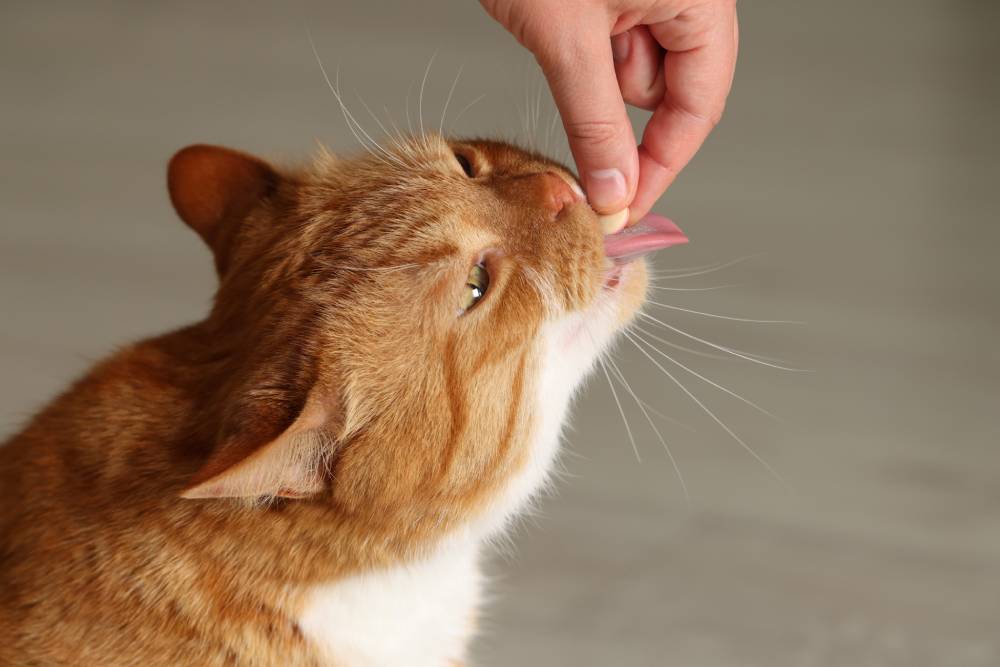
- Try pill pockets, or crush tablets if the label says it’s okay
- Break chews into smaller pieces when you need precise dosing
Keep pet supplements completely separate from human vitamins to avoid mix-ups. And watch for any reactions: vomiting, diarrhea, loss of appetite, behavior changes, itching, or swelling all warrant a call to us.
Missed a dose? Just skip it and continue with the regular schedule. Don’t double up unless we specifically tell you to. Our Fear Free approach includes stress-free tips for giving supplements at home, so ask us if you’re struggling.
Frequently Asked Questions
Do healthy pets on quality diets need supplements? Usually not. A complete, balanced diet covers the basics for most pets. We suggest supplements when there’s a specific concern or goal that food alone can’t address.
How long until I see results? It depends on what you’re trying to help. Joint and brain supplements typically take 4 to 8 weeks to show noticeable changes. Probiotics often work faster, sometimes within days to a couple of weeks.
Can I use my own vitamins for my pet? No. Human products may contain ingredients that are unsafe for pets, and the doses are almost never right. Always ask us first.
What if my pet refuses to take the supplement? We get it. Some pets are stubborn. We can suggest different forms (chews, powders, liquids), different flavors, or alternative products that might suit your pet better.
Making Smart Choices for Your Pet
Supplements can genuinely help when they’re chosen carefully and used as part of a thoughtful care plan. The basics: make sure there’s a real need, pick high-quality products, follow dosing instructions, and pay attention to whether things actually improve. Remember, supplements support health but they don’t replace good nutrition, regular preventive care, or necessary medical treatment.
At Arcata Animal Hospital, we combine evidence-based supplement recommendations with advanced diagnostics, integrative medicine, and personalized guidance every step of the way. We’re here to help you sort through the options and feel confident you’re doing right by your pet.
Have questions about a product you’ve seen or a symptom you’re worried about? Schedule a wellness visit so we can partner with you, put your mind at ease, and support your pet’s health for the long haul.




Leave A Comment