
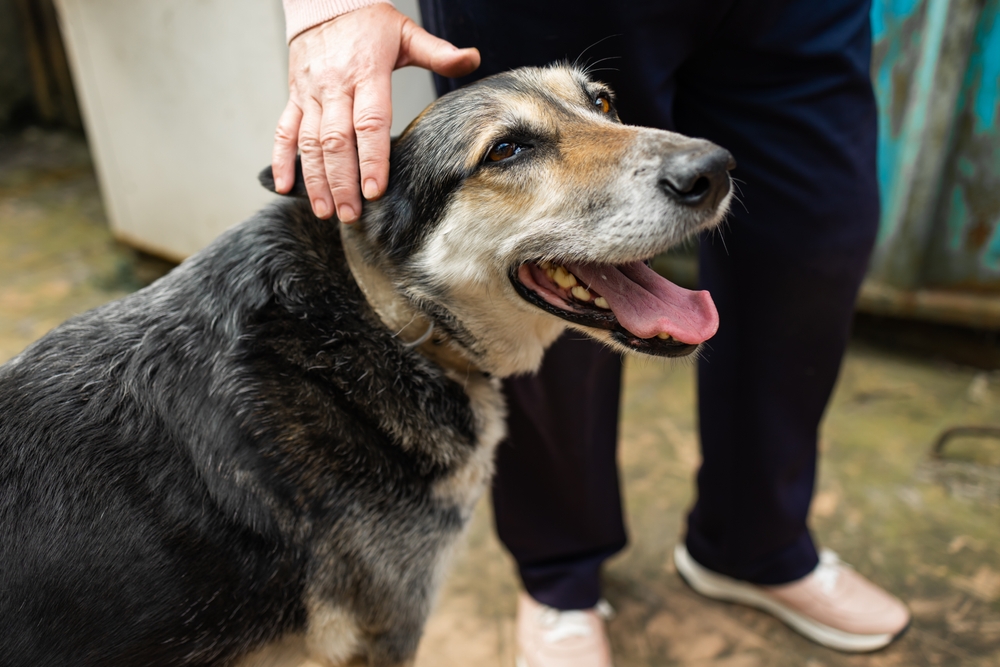
Supporting Brain Health in Senior Pets with Cognitive Dysfunction
It tends to start small. A dog who stands in a room looking uncertain about why he went there. A cat who vocalizes more at night, or seems momentarily confused by a furniture arrangement that has not changed in years. These moments are easy to dismiss, and most owners do dismiss them, filing them away as quirks of old age rather than early signs of cognitive dysfunction syndrome, the animal equivalent of dementia. The challenge is that waiting until the signs are impossible to ignore means missing the window when early intervention can meaningfully slow the progression.
Arcata Animal Hospital in Arcata, CA is an AAHA-accredited practice that brings what we describe as big-city veterinary medicine to a small-town setting, with comprehensive wellness care that includes geriatric assessments, diagnostic screening for age-related neurological changes, and holistic support including acupuncture, laser therapy, and rehabilitation. Contact us to schedule a senior wellness evaluation for a pet whose behavior has been quietly shifting.
Is Your Senior Pet Showing Signs of Cognitive Decline?
There’s a particular kind of worry that sets in when you notice your old dog staring at a corner of the room for no apparent reason, or when your cat, who has lived in the same house for twelve years, suddenly seems to have misplaced her internal map of it.
The short answer is: mention it. Cognitive dysfunction syndrome is a recognized medical condition in dogs and cats, not simply an unavoidable deterioration to accept. It’s progressive, but early intervention genuinely matters. The earlier changes are identified and evaluated, the more tools are available to slow the decline and support your pet’s quality of life.
Our diagnostics and testing services include the bloodwork, imaging, and clinical assessment needed to evaluate what’s behind behavioral changes in older pets, separating cognitive dysfunction from other medical conditions that look similar but require different treatment.
What Is Cognitive Dysfunction Syndrome?
How It Affects the Brain and Why It Develops
Cognitive dysfunction syndrome, often abbreviated CDS, is an age-related degenerative condition affecting memory, learning, awareness, and behavior. What happens in the brain mirrors, at a biological level, aspects of Alzheimer’s disease in people: protein deposits accumulate, blood flow decreases, and the chemical messengers that neurons use to communicate begin to decline. The result is a brain that processes the familiar world less reliably than it once did.
Recognizing signs of cognitive decline before they become obvious is one of the most useful things a pet owner can do, because the condition progresses on a continuum. What begins as occasional disorientation or one disrupted night can gradually become daily confusion and significant nighttime distress if nothing is done to slow it.
The condition is not rare. Studies suggest that a substantial percentage of dogs over age eleven show at least one sign of cognitive decline, and the numbers increase significantly with age. Cats develop CDS as well, though they are often underdiagnosed because their changes tend to be subtle and are frequently attributed to “just getting old.”
Recognizing the Signs: What Behavioral Changes Actually Look Like
Behavioral and Mental Changes to Watch For
The signs of cognitive dysfunction are organized into a pattern veterinarians often describe using the acronym DISHAA: Disorientation, altered Interactions, Sleep-wake cycle changes, House soiling, Activity changes, and Anxiety. Knowing what these look like in real life helps owners identify them early rather than normalizing them.
Recognizing senior pet health problems in their early stages makes a meaningful difference in how effectively they can be managed. Specific things to watch for include:
- Getting stuck in corners or behind furniture, or standing in the middle of a room looking uncertain
- Failing to respond to their name or to familiar commands they’ve known for years
- Staring at walls or into space for extended periods
- Changes in how they greet family members, either clingier than before or more withdrawn
- House soiling despite solid training, or forgetting to use the litter box
- Waking in the night, pacing, or vocalizing (this one is especially common in cats)
- Decreased interest in play, food, or activities that used to excite them
- Increased anxiety around separation, new people, or routine changes
Not every pet shows all of these signs, and no single sign is diagnostic on its own. But a pattern across several of these categories, or a gradual increase in any one of them, is worth bringing to a wellness visit.
Could It Be Something Else?
Many signs of cognitive dysfunction overlap with other age-related conditions that require completely different treatment. A cat who seems confused might have high blood pressure from kidney disease. A dog who’s pacing at night might have an underactive thyroid. Neurological issues such as brain tumors, vestibular disease, or pain from spinal changes can produce behavioral changes that look remarkably similar to CDS on the surface. Pets who seem to be “lost” in a room or not responding to their name may actually be losing their vision and hearing.
This is exactly why we don’t recommend simply accepting behavioral changes in older pets without evaluation. Our comprehensive senior wellness exams, which we recommend every six months for pets in their senior years, include physical and neurological assessment alongside the bloodwork and imaging that can differentiate between cognitive dysfunction and other treatable medical conditions.
When Does Cognitive Decline Typically Begin?
Age is the primary risk factor, and the numbers are worth knowing. Cognitive changes can begin as early as seven to eight years in dogs and eleven to twelve years in cats. By the time a pet reaches fifteen, the prevalence of at least some cognitive signs is quite high. That said, individual variation is substantial, and not every senior pet develops clinically significant CDS.
Several factors appear to influence how quickly or severely cognitive decline develops:
- Genetics and breed: Some dog breeds may be predisposed to earlier cognitive changes, though research is still developing in this area
- Lifelong mental enrichment: Pets who have had more mental stimulation throughout their lives may show slower cognitive decline, much as mentally active people tend to do
- Chronic disease management: Conditions like obesity, diabetes, and chronic pain that are poorly controlled appear to accelerate cognitive and neurological decline
- Overall brain health throughout life: Nutrition, activity, and cardiovascular health all play a role
Our preventative healthcare programs are designed around this reality. Supporting brain and body health throughout a pet’s life, not just in the senior years, is the most powerful form of cognitive protection available.
What to Expect During a Cognitive Assessment
The Diagnostic Process
When behavioral changes prompt a senior evaluation, the appointment typically begins with a detailed history conversation. How long have the changes been happening? Have they been gradual or sudden? Is the pet itchy, drinking more, or moving differently? These contextual details shape everything that follows.
The physical and neurological exam that follows assesses reflexes, gait, muscle condition, pain responses, vision, and hearing, all of which can produce behavioral changes when compromised. Understanding the importance of blood work in senior evaluations is key: thyroid levels, kidney and liver function, blood glucose, and a complete blood count help identify systemic conditions that may be driving or worsening the behavioral picture. Imaging such as X-rays or ultrasound may be recommended when indicated.
Cognitive dysfunction is ultimately a diagnosis made by identifying a characteristic pattern of signs and ruling out other medical causes. There is no single test that confirms it, which is why the combination of history, exam, and diagnostics matters so much.
Why Catching It Early Changes the Outcome
Regular senior wellness exams, ideally every six months, provide something valuable: a record of change over time. A pet seen twice yearly can be compared exam to exam, so gradual shifts in cognitive function that might be invisible over two years become visible over six months. Senior pet veterinary care at this frequency is one of the most evidence-supported recommendations in veterinary medicine for exactly this reason.
Early detection means more treatment options are on the table. It also means owners have more time to make adjustments at home before the condition advances to a point where management becomes significantly more difficult.
How to Support a Cognitively Declining Pet at Home
Environmental Modifications and Routine
One of the most effective things an owner can do costs nothing: keep things consistent. Cognitive dysfunction makes the familiar feel strange, and unnecessary change amplifies confusion. Practical steps include:
- Keeping food bowls, litter boxes, and sleeping areas in the same locations
- Maintaining predictable feeding, walking, and bedtime schedules
- Leaving nightlights on to help pets navigate in low light
- Blocking access to stairs or areas that could be hazardous to a disoriented pet
Patience is a genuine part of the care plan. Gentle, calm redirection rather than frustration helps keep anxiety low, which in turn helps keep cognitive symptoms more manageable.
Mental and Physical Enrichment
Gentle enrichment activities help maintain cognitive function by keeping the brain engaged in a structured, low-stakes way. The key word is gentle- these should be adapted to what the pet can physically and mentally handle without becoming frustrating or exhausting.
Useful enrichment for senior pets includes short positive training sessions using familiar commands, scent games with treats hidden around familiar spaces, puzzle feeders that require mild problem-solving, and slow-paced walks that prioritize sniffing over distance. Social interaction with familiar people and pets remains valuable, though kept calm, as novel experiences in completely new environments can sometimes increase anxiety in a cognitively affected pet.
Medical Management: Medications, Supplements, and Diet
What Treatments Are Available
Several options support brain health in aging pets, and the right combination depends on the individual pet’s overall health, other medications, and how advanced the cognitive changes are.
Prescription medications that support neurotransmitter function are available for dogs with cognitive dysfunction and can produce meaningful improvements in awareness, sleep patterns, and social behavior in some patients. Anipryl (selegiline hydrochloride) is a great option- ask us about a prescription for your senior.
Supplements for senior dogs containing antioxidants, omega-3 fatty acids, and other neuroprotective compounds are commonly recommended as part of a cognitive support plan. We carry Senilife and Senior Vitality Pro Healthy Cognition Soft Chews in our online pharmacy for dogs showing cognitive changes, as well as a broader selection of senior supplements to support overall aging health. Melatonin has shown to be useful for senior pets who aren’t sleeping well through the night; Thunderbites Calming Chews contain melatonin and other relaxing ingredients to help with nighttime anxiety.
Therapeutic diets formulated for brain health, such as Hill’s Prescription Diet Cognitive + Mobility Brain Care j/d (also available in canned versions for cats), address both neurological and joint health together, which matters for senior dogs and cats dealing with both CDS and age-related pain. Response varies between individuals, and we’ll help identify what combination makes the most sense for your pet.
Managing Other Health Conditions Alongside CDS
Most senior pets have more than one health issue, and those conditions interact. Arthritis, dental disease, kidney disease, and liver disease can all worsen cognitive signs, either by causing chronic pain that disrupts sleep and behavior or by affecting drug metabolism in ways that complicate treatment. Comprehensive care plans that address all of a pet’s health issues together produce better outcomes than addressing each one in isolation.
Addressing Anxiety and Behavior Changes
Creating Calm: Anxiety Management for Cognitively Affected Pets
Anxiety is one of the most common and most distressing companions to cognitive decline. It tends to show up as nighttime restlessness, separation distress, or increased sensitivity to sounds and events that never bothered the pet before. Noise aversion in senior pets can become more pronounced as cognitive function changes, and what was once a mild startle response can evolve into genuine panic.
Separation anxiety in older pets with cognitive decline can look different than it did in younger years: less destructive behavior and more quiet distress, panting, or vocalization in rooms where the owner isn’t present.
Practical approaches include maintaining close contact during anxious periods, using pheromone diffusers to create a calming environmental signal, and reducing unnecessary disruptions to routine. We love Feliway Spray for cats experiencing anxiety-related behavior changes, and the ThunderEase Calming Diffuser for dogs. When environmental changes aren’t enough, anti-anxiety medications or behavior modification support may be appropriate, and we’ll discuss those options at your pet’s visit.
Maintaining Quality of Life and Making Decisions Together
Watching a pet experience cognitive decline is emotionally difficult in a particular way, and it’s entirely normal to grieve changes in personality and recognition even while the pet is still with you. What we want owners to know is that many pets with well-managed cognitive dysfunction continue to experience genuine comfort and connection for months to years after diagnosis. Good days remain.
Open conversations about quality of life are something we welcome at every stage. Our quality of life assessment resources and end-of-life care services are available whenever those conversations become relevant, approached with the same compassion we bring to every part of your pet’s care.
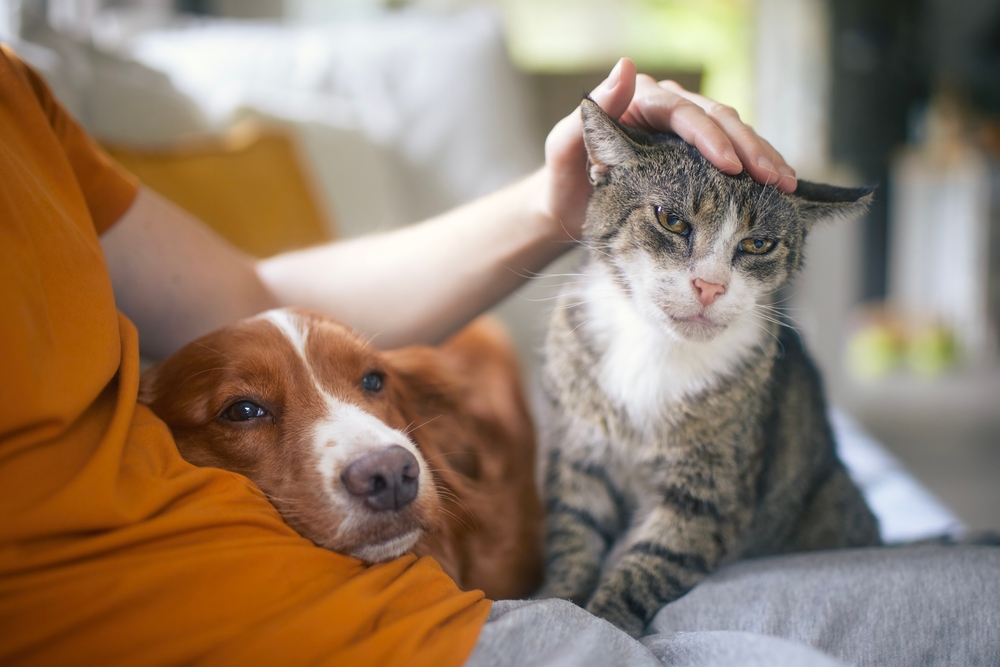
FAQs About Cognitive Decline in Aging Pets
How do I know if my pet has cognitive dysfunction or just normal aging?
Normal aging brings some slowing down and changes in activity. Cognitive dysfunction involves specific behavioral patterns: disorientation in familiar spaces, disrupted sleep, house soiling without a medical cause, altered interactions with family members, and decreased responsiveness. If you’re noticing a pattern of these changes, a veterinary evaluation can help determine whether something specific is happening.
My cat yowls at night. Could this be cognitive dysfunction?
Nighttime vocalization in cats, especially older cats, is one of the most recognized signs of feline cognitive dysfunction. It can also be caused by hyperthyroidism, high blood pressure, pain, or hearing loss, all of which require evaluation. A senior wellness exam with bloodwork is the right first step.
The Right Time to Reach Out Is Now
Most cognitive decline is progressive by nature, which means the window for early intervention is real and finite. The changes that feel subtle today can become harder to manage in six months if nothing is done. The good news is that getting ahead of them is genuinely possible.
At Arcata Animal Hospital, we treat every senior pet as an individual with a full life history, a set of specific needs, and a family who loves them. Our wellness care for older pets is thorough, unhurried, and designed to be a partnership rather than a transaction. If something about your pet’s behavior has been nagging at you, trust that instinct. Contact us to schedule a senior wellness evaluation, and let’s figure out together what’s actually going on.




Leave A Comment