
Is Your Pet at a Healthy Weight? Understanding Body Condition Scoring
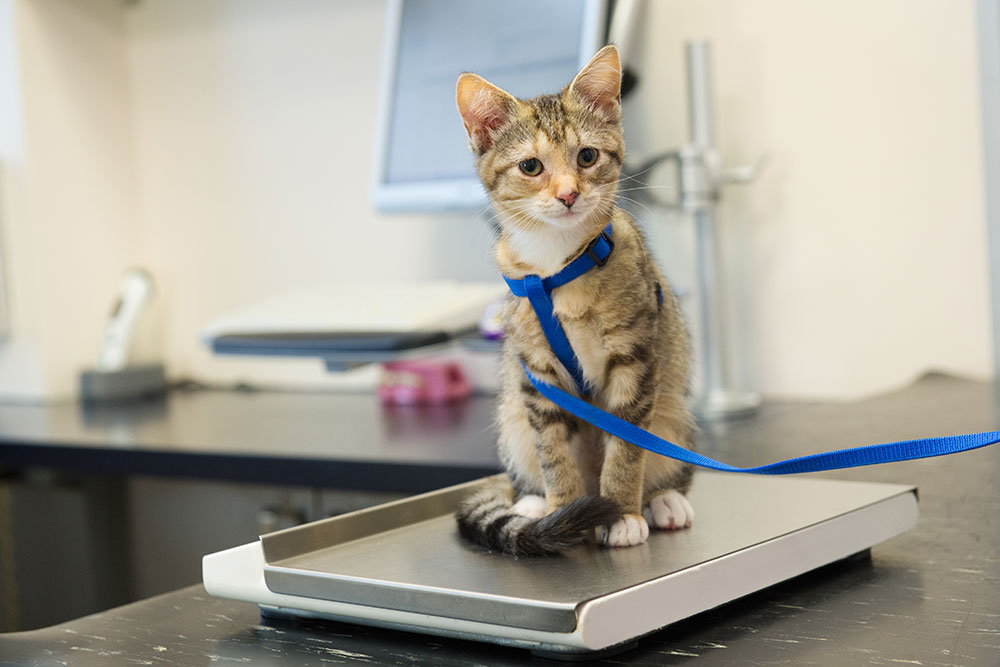
Do you ever look at your pet and wonder if they are carrying a little extra around the middle? Maybe you are meticulous about their diet, yet the number on the scale still worries you. It is a common concern for pet owners who want the very best for their companions. The truth is, that scale reading does not tell the whole story about your pet’s physical health. Instead of focusing solely on pounds, a simple, hands-on assessment called body condition scoring (BCS) evaluates muscle tone, fat coverage, and shape to give you an accurate picture of whether your pet is underweight, overweight, or just right. Learning this skill empowers you to make informed decisions about nutrition and activity before minor weight fluctuations become long-term health issues.
At Arcata Animal Hospital, we combine the best of big-city veterinary medicine in a small-town setting with the personal care that makes every pet feel like family. Our veterinarians use body condition scoring during every wellness visit to assess overall health and mobility, catching weight-related problems early. Whether your companion has fur, feathers, or scales, our Fear Free® team is here to help them stay balanced, active, and healthy.
Body Condition Scoring: Seeing Beyond the Scale
Weight alone doesn’t tell the full story of health. A muscular Border Collie and a stocky Pitbull might weigh the same but have completely different body compositions. Body condition scoring bridges that gap by assessing both fat and muscle, helping us detect subtle shifts in your pet’s fitness before illness develops.
During a wellness exam, we use BCS to evaluate how much padding covers the ribs, how defined the waist is, and whether an abdominal tuck is visible. This gentle, hands-on process gives us an honest picture of overall condition, something a number on a scale can’t reveal. Regular BCS tracking helps prevent arthritis, diabetes, and other chronic diseases while supporting mobility and longevity.
How the Pet Body Condition Scoring Scale Works
Veterinarians commonly use a 9-point scale to describe a pet’s body condition:
- 1 – Severely underweight: ribs, spine, and hips are easily visible and palpable.
- 2–3 – Underweight: minimal fat cover, visible rib outlines.
- 4–5 – Ideal: ribs easily felt but not seen; visible waist and abdominal tuck.
- 6–7 – Overweight: waist less defined, ribs harder to feel.
- 8–9 – Obese: round body shape, no waist, and heavy fat deposits over the ribs and tail base.
You can try this at home; gently feel along your pet’s ribs. If they feel like your knuckles, your pet is too thin. If they feel like the back of your hand, they’re likely in great shape. If they feel like your palm, it’s time for a closer look. Unsure where your pet falls? Schedule a professional BCS evaluation with our compassionate team for expert guidance.
Why Pet Weight is Important to Monitor
The Health Risks of Your Pet Being Overweight or Underweight
Carrying too much or too little weight can significantly affect your pet’s comfort and long-term health:
- Overweight pets face an increased risk of chronic conditions such as diabetes mellitus, urinary stones, and intervertebral disc disease. Obesity also contributes to systemic hypertension, heart disease, and an increased risk of heat stroke.
- Underweight pets, on the other hand, may experience decreased immunity, poor temperature regulation, and muscle wasting. These pets often struggle with mobility and may suffer from nutrient deficiencies or organ strain.
If you’re concerned about your pet’s body condition, our diagnostic services can identify whether metabolic, dietary, or lifestyle factors are contributing to weight changes.
How to Perform Pet Body Condition Scoring at Home
A Step-by-Step Guide for Pet Owners
Visual assessment is hard when pets are covered in fluff- feeling your pet is the best way to start.
- Feel for the ribs. Run your hands along your pet’s ribcage. You should be able to feel ribs easily with light pressure but not see them clearly.
- Check the waistline. Look at your pet from above; there should be a visible “hourglass” shape.
- Observe from the side. A healthy pet should have a slight upward tuck behind the ribs.
- Check fat pads. Feel around the tail base, hips, and abdomen. Excess fat here may signal that your pet is overweight.
- Account for fur thickness. Long-haired pets can be tricky; always rely on touch over sight.
Body condition scoring isn’t a one-time event. It’s an ongoing measure of your pet’s wellbeing. During regular wellness checkups, we reevaluate BCS and adjust nutrition and exercise as needed. Consistent monitoring helps prevent small issues from snowballing into major health problems. If you’d like a hands-on demonstration, our veterinarians are happy to show you how to assess your pet’s body condition during your next wellness appointment.
Nutrition and Weight Management in Dogs and Cats
Creating a Balanced Diet Based on Body Condition
Healthy weight management doesn’t happen overnight. It’s a process that combines consistency, monitoring, and teamwork between you and your veterinarian. We recommend following proven obesity prevention principles: measured meals, limited treats, and enrichment activities that make exercise fun.
Every pet’s caloric needs differ depending on age, breed, and activity level. Understanding how much to feed your pet is key to maintaining their ideal body condition. The pet calorie calculator is a great starting point, but remember: it’s only a guideline. Our veterinarians can design a custom plan that meets your pet’s nutritional needs and health goals.
All pet owners- our team included- love to give treats. Try green beans, carrot sticks, apple slicks, dehydrated chicken breast, or other low-calorie high fiber treats rather than calorie-dense snacks. Puzzle and slow feeders can help pets enjoy their meals longer than a few seconds.
Be cautious when reducing calories, especially for cats, as rapid weight loss can lead to hepatic lipidosis, a potentially life-threatening liver condition.
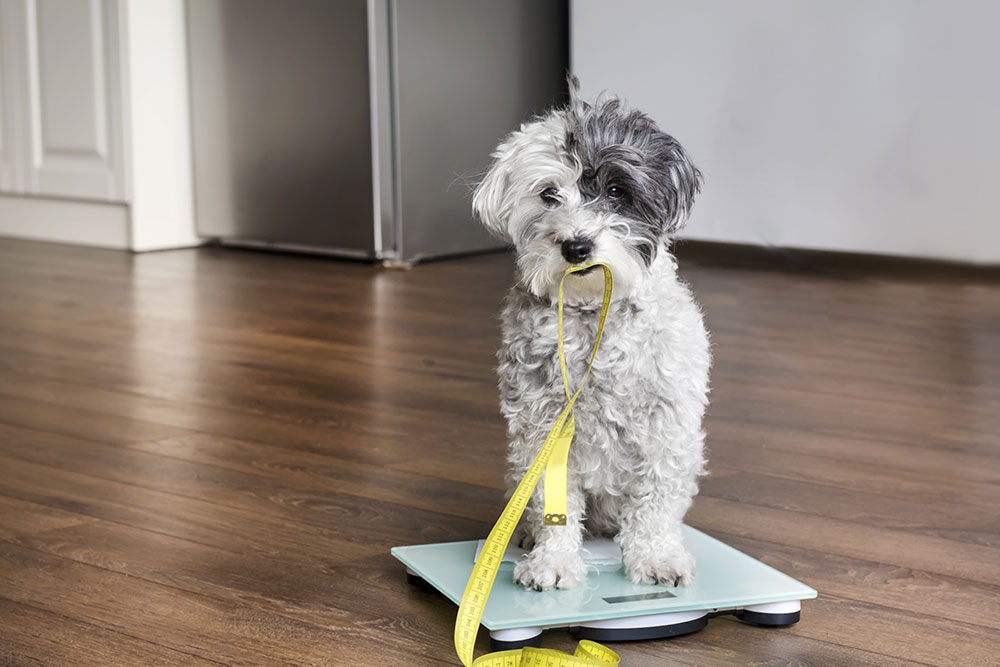
A proper diet helps maintain muscle tone, energy levels, and immune health. Weight loss should be gradual and closely monitored to prevent complications like liver disease or nutrient deficiencies. At Arcata Animal Hospital, we help families create healthy feeding habits, all part of a personalized preventive healthcare plan. We’ll work with you to set safe, realistic goals and track progress through regular weigh-ins.
Professional Support for Weight Issues
Diagnostics to Discover Medical Causes for Weight Gain or Loss
Sometimes weight changes signal underlying medical conditions that require professional diagnosis and treatment. Our comprehensive diagnostic testing capabilities allow us to quickly identify medical reasons for weight gain or loss through blood work, urinalysis, and thyroid testing.
Conditions like hypothyroidism in dogs can cause weight gain and lethargy, while Cushing’s disease often presents with increased appetite and a pot-bellied appearance. For cats, hyperthyroidism commonly causes weight loss despite increased appetite, and chronic kidney disease can lead to decreased appetite and muscle loss. Other conditions including cancer and dental disease can also affect your pet’s weight and eating habits.
Early detection through regular wellness exams and blood work allows us to address these conditions before they progress, making weight management more successful.
Customized Exercise and Pain Management to Get Your Pet Moving
For dogs, exercise strategies start with daily walks, play sessions, and puzzle feeders. For cats, weight loss programs focus on movement with hunting games and climbing structures.
For pets with arthritis or orthopedic issues, pain and limited mobility can create a challenging cycle where reluctance to move leads to weight gain, which in turn worsens joint problems. Our integrative medicine approach combines traditional Western veterinary care with complementary therapies to address these complex cases.
Through comprehensive physiotherapy and rehabilitation assessments, we identify not only the primary problem but also create a long-term plan for management. Treatment modalities including laser therapy, acupuncture, and manual therapies work to reduce pain and improve flexibility. We develop customized strengthening and conditioning programs tailored to your pet’s specific needs, building muscle strength while respecting their limitations.
This multifaceted approach provides long-term pain management and helps restore your pet’s willingness and ability to move, making sustainable weight loss possible even for pets with chronic orthopedic conditions.
Take Action to Improve Your Pet’s Body Condition
At Arcata Animal Hospital, we’re passionate about helping pets live their healthiest, happiest lives. Our AAHA-accredited, Fear Free team approaches every patient with empathy, advanced medical insight, and a small-town warmth that makes every visit feel personal. We even offer customized home exercise programs to make sure that you can create healthy habits that work best for your family and your pet’s individual needs.
Ready to find your pet’s ideal balance? Contact us today to schedule a body condition evaluation and start building your pet’s long-term health plan.



Leave A Comment